






What's Happening?
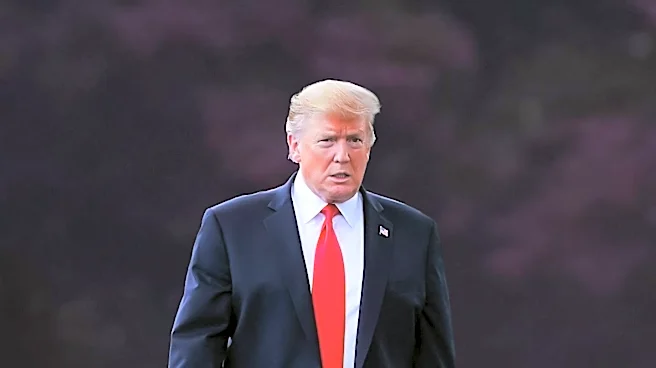
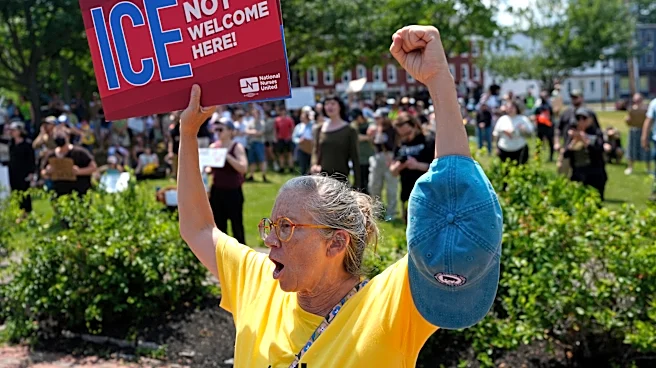
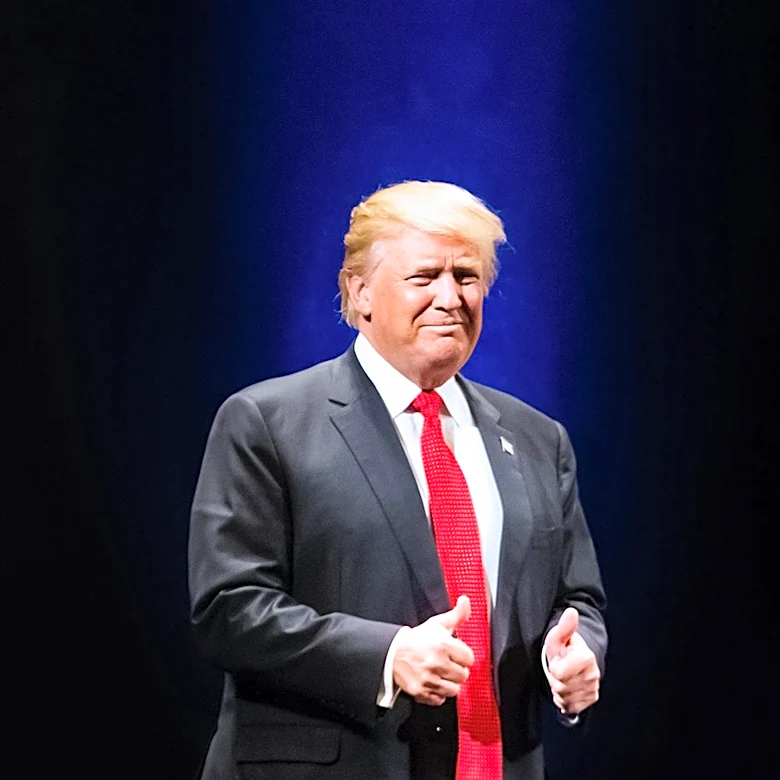
The U.S. Supreme Court has issued rulings that significantly bolster the Trump administration's authority over immigration matters. These decisions have limited asylum claims, weakened the rights of green card holders, and undermined deportation protections
for over a million immigrants. The court's decisions reflect a trend of supporting executive discretion in immigration policy, except for a notable ruling that struck down President Trump's attempt to end birthright citizenship. Legal experts note that the court tends to favor statutory interpretations that grant the executive branch more power, impacting the legal status and rights of many noncitizens.
Why It's Important?
These rulings have profound implications for U.S. immigration policy and the lives of millions of immigrants. By limiting asylum claims and green card rights, the court's decisions could lead to increased deportations and reduced legal protections for immigrants. This shift in judicial interpretation supports a more restrictive immigration policy, aligning with the Trump administration's goals. The rulings also highlight the court's willingness to grant broad executive authority, which could influence future immigration policies and legal challenges. Stakeholders such as immigration advocates and legal experts express concern over the narrowing of judicial remedies and the potential for increased executive overreach.
What's Next?
The Trump administration is likely to continue pursuing policies that restrict immigration, leveraging the court's support for executive authority. Legal challenges to these policies may focus on constitutional arguments, as statutory interpretations favor the government. The administration's efforts to tighten immigration controls, including potential rehearings on birthright citizenship, will be closely watched. The court's decisions may also prompt legislative action to address immigration policy, though political divisions could hinder comprehensive reform. Immigrants and advocates will need to navigate a more challenging legal landscape, with limited options for contesting deportations and seeking asylum.