




What's Happening?
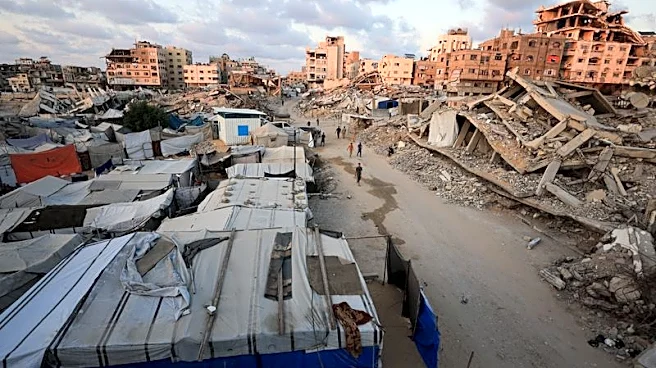
The Greens, an Australian political party, have criticized the Albanese government for its perceived weak response to inflammatory statements made by a former Israel Defense Forces (IDF) officer, Nochi Mendel. Mendel, who ordered the 2024 drone strike
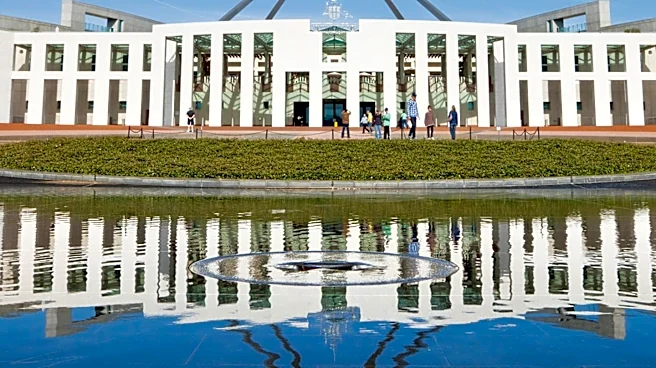
that killed Australian aid worker Zomi Frankcom and six colleagues from World Central Kitchen (WCK) in Gaza, stated he would do 'exactly the same thing' again and claimed the victims were 'not innocent.' While Australia's Foreign Affairs Minister, Penny Wong, condemned Mendel's comments as 'utterly disgraceful,' the Greens' defense spokesperson, David Shoebridge, argues that the government's verbal condemnation is insufficient. Shoebridge asserts that the comments reflect the Israeli government's rhetoric and policy of collective punishment and calls for material responses, including sanctions and halting military exports, rather than just words. The IDF's own investigation found the attack was a grave mistake, leading to Mendel's removal from his position, but Israel's advocate general declined to press charges, citing 'no reasonable suspicion of criminal misconduct.'
Why It's Important?
This situation highlights the ongoing international tensions and differing perspectives surrounding the conflict in Gaza and the protection of humanitarian aid workers. The criticism from the Greens underscores a broader debate about the accountability of military actions and the effectiveness of diplomatic responses. For the U.S., this event is significant as it involves a key ally, Australia, and touches upon the conduct of the Israeli military, a major U.S. partner. The U.S. has historically provided substantial support to Israel, and incidents like this can influence public opinion and policy discussions regarding that support. The WCK founder, José Andrés, has called for an independent investigation with public release of all video and audio, emphasizing the need for truth and justice for the humanitarian workers. The lack of criminal charges despite an internal IDF investigation finding errors raises questions about justice and accountability that resonate globally, including within U.S. foreign policy considerations.
What's Next?
The Australian government, through Foreign Affairs Minister Penny Wong, has indicated it will continue to 'press for justice' and is dissatisfied with Israel's decision not to lay criminal charges. However, the Greens are pushing for more concrete actions, such as imposing sanctions and halting military exports, which could escalate diplomatic tensions. The call for an independent investigation by WCK founder José Andrés suggests continued international pressure for greater transparency and accountability regarding the incident. The ongoing debate within Australia could influence its future foreign policy stance towards Israel and the broader Middle East conflict. The U.S. will likely monitor these developments closely, as any significant shift in an ally's policy or increased international scrutiny on the conduct of its partners could have implications for its own diplomatic efforts and strategic alliances in the region.
Beyond the Headlines
The incident and the subsequent comments by the former IDF officer, coupled with the lack of criminal charges, raise profound ethical and legal questions about the rules of engagement in conflict zones and the protection of non-combatants, particularly humanitarian aid workers. The concept of 'haflala,' or 'incrimination by association,' as described by Mendel, where individuals can be designated as 'terrorists' based on perceived connections without evidence, challenges international humanitarian law principles that distinguish between combatants and civilians. This approach, if widely adopted or perceived as acceptable, could severely undermine the safety of aid operations globally and erode trust in international protections for humanitarian efforts. The calls for independent investigations and transparency reflect a growing demand for accountability in modern warfare, pushing for a re-evaluation of how military actions are scrutinized and how justice is pursued for victims in complex conflict environments.