



What's Happening?
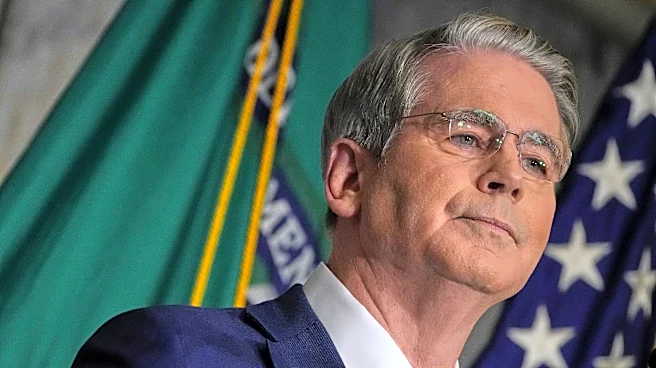
Representative Greg Stanton, a Democrat from Arizona, has publicly condemned comments made by far-left streamer Hasan Piker regarding American Jews. Piker suggested that American Jews could face violence if they continue to be perceived as strongly supporting
Israel. This backlash follows a stream where Piker displayed an image of Michigan state Senator Jeremy Moss, who is Jewish and a Democratic nominee, while discussing the potential for action against American Jews. Stanton, along with numerous other prominent Democrats including House Minority Leader Hakeem Jeffries and DNC Chair Ken Martin, has rejected the notion that Jewish Americans are responsible for hatred or violence directed against them. The criticism from Democrats emphasizes that such rhetoric is dangerous, malicious, and antisemitic, and should not be tolerated in public discourse. Piker, in response, has attributed the widespread condemnation to the American Israel Public Affairs Committee (AIPAC), claiming it is a coordinated campaign against him.
Why It's Important?
The condemnation from Representative Stanton and other Democratic leaders highlights a significant internal struggle within the Democratic Party regarding antisemitism and rhetoric related to the Israeli-Palestinian conflict. The strong and unified response from a broad spectrum of Democratic figures, from House leadership to state senators, underscores a clear effort to distance the party from what they deem as antisemitic statements. This is crucial for maintaining party cohesion and public trust, especially as midterm elections approach. The incident also brings to the forefront the influence of online personalities and streamers on political discourse, and the challenges political parties face in managing associations with such figures. The accusation by Piker that AIPAC is orchestrating the backlash further complicates the narrative, introducing a layer of conspiracy theory that could polarize discussions and potentially impact fundraising and voter sentiment, particularly among pro-Israel and progressive factions within the party.
What's Next?
The ongoing controversy is likely to continue generating debate within Democratic circles and in the broader public sphere. More Democratic lawmakers may issue statements either condemning Piker or clarifying their positions on the issue, especially those who have previously engaged with the streamer. The focus will remain on how the Democratic Party navigates the balance between free speech and combating antisemitism, particularly from figures within or aligned with its progressive wing. Piker's accusations against AIPAC could also lead to further scrutiny of the organization's influence in U.S. politics and potentially prompt responses from AIPAC itself or its supporters. As the midterm elections draw nearer, the incident could become a talking point for opposing political campaigns, potentially influencing voter perceptions of candidates and the Democratic Party's stance on Jewish community issues and foreign policy.
Beyond the Headlines
This event delves into the complex interplay between online activism, political rhetoric, and identity politics in the United States. The rise of streamers like Hasan Piker as influential voices presents a new challenge for traditional political structures, as their reach and direct engagement with audiences can quickly amplify controversial statements. The debate also touches upon the delicate balance of criticizing Israeli government policies versus engaging in antisemitic tropes, a distinction that often becomes blurred in heated discussions. The swift and widespread condemnation from Democrats suggests a heightened awareness and intolerance for antisemitic rhetoric, reflecting broader societal efforts to combat hate speech. However, Piker's counter-accusation of an AIPAC-orchestrated campaign highlights a persistent narrative among some progressive circles that criticism of Israel is unfairly conflated with antisemitism, and that pro-Israel lobbying groups exert undue influence. This dynamic could exacerbate divisions and make it more challenging to foster constructive dialogue on these sensitive issues.