






What's Happening?
Cardiologists are cautioning against the consumption of certain holiday foods, particularly glazed ham, due to their high content of saturated fats and sodium, which can negatively impact heart health. According to John P. Higgins, MD, a cardiologist
and professor at McGovern Medical School at the University of Texas Health Science Center at Houston (UTHealth), cured and processed meats like glazed ham contribute significantly to daily saturated fat and sodium intake. A single 4-ounce serving of glazed ham can contain approximately 1,000 milligrams (mg) of sodium, nearing the recommended daily limit of 1,500 mg for most adults, including those with heart disease. Excess sodium can elevate blood pressure and exacerbate fluid retention, swelling, and shortness of breath in individuals with heart failure, potentially leading to hospitalization. Additionally, the saturated fat in such meats can increase 'bad' (LDL) cholesterol, promoting plaque buildup in arteries and raising the risk of coronary artery disease, heart attack, and stroke.
Why It's Important?
The warnings from cardiologists highlight a significant public health concern during the holiday season, a period often associated with increased consumption of rich, traditional foods. The advice underscores the importance of dietary choices in managing cardiovascular health, especially for the millions of Americans living with heart conditions, high blood pressure, or diabetes. The cumulative effect of sodium-rich meals, added sugars, and excessive alcohol during the holidays can adversely affect blood pressure, blood sugar, and fluid balance. This information is crucial for individuals seeking to protect their heart health while still enjoying festive meals. Understanding which foods pose the greatest risk allows for informed decisions regarding portion control and healthier alternatives, potentially reducing the strain on the healthcare system from preventable cardiac events during this time.
What's Next?
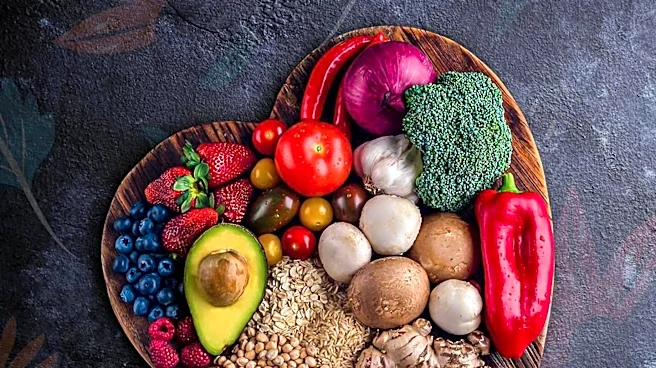
Individuals are encouraged to adopt strategies to mitigate the risks associated with holiday eating. Dr. Higgins suggests keeping ham portions small and opting for leaner protein sources such as roasted turkey, skinless chicken, fish, beans, or lentils for a heartier meal. The broader recommendation from cardiologists like Navjot Sobti, MD, an interventional cardiologist at Northwell's Northern Westchester Hospital, is to manage portions, limit specific high-risk foods, and increase the intake of fruits, vegetables, and whole grains. This proactive approach aims to help individuals navigate the holiday season without compromising their cardiovascular well-being, promoting a balance between enjoying traditional foods and maintaining a heart-healthy diet.
Beyond the Headlines
The discussion around holiday food choices extends beyond immediate health risks to broader societal patterns of consumption and dietary habits. The emphasis on traditional, often less healthy, foods during celebrations reflects cultural practices that can be challenging to alter. This situation highlights the ongoing tension between cultural traditions and public health recommendations. It also points to the need for greater awareness and education on how to adapt traditional recipes or make healthier substitutions without completely abandoning cultural practices. The long-term implications involve shifting societal norms around celebratory eating to incorporate more heart-healthy options, potentially influencing food manufacturers and restaurants to offer healthier holiday-themed products and dishes.