







What's Happening?
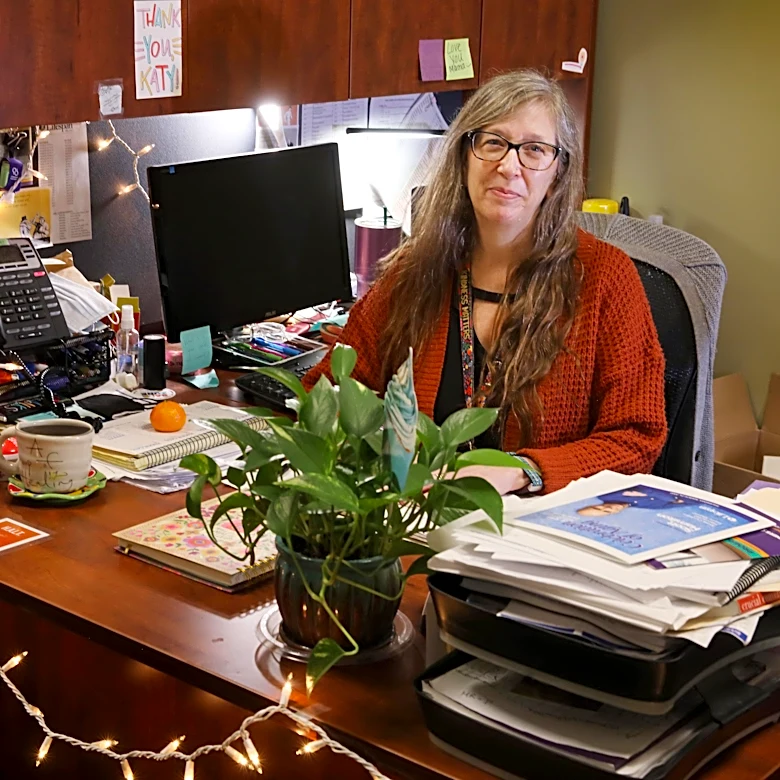
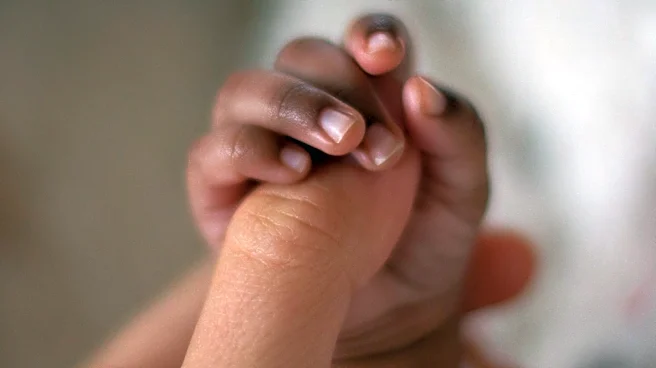
Kamilla Harris, an Osceola mother, is actively working to raise awareness about Sudden Infant Death Syndrome (SIDS) after her daughter, Lhondyn, died from the condition in 2019. Harris noted a significant lack of resources available to her at the time
of her daughter's passing, which motivated her to create support systems for other families. She discovered that Arkansas ranked third nationally in SIDS cases at that time, reinforcing her commitment to action. In response, Harris established a nonprofit organization and initiated 'Lhondyn’s SIDS Awareness Day.' She also utilizes social media platforms to offer support and information to families affected by SIDS, emphasizing that the condition impacts the entire family unit. Harris stresses the importance of SIDS awareness, comparing it to other widely recognized health issues like breast cancer, for which there is still no cure.
Why It's Important?
This initiative is important because it addresses a critical public health issue in the U.S., particularly in states like Arkansas, which has historically seen high rates of SIDS. By creating a nonprofit and awareness day, Kamilla Harris is filling a void in resources and support for grieving families. Increased awareness can lead to better understanding of safe sleep practices, potentially reducing SIDS incidents. Furthermore, her efforts highlight the need for more comprehensive public health campaigns and accessible support networks for parents dealing with infant loss. The personal nature of her advocacy can resonate deeply within communities, fostering empathy and encouraging broader engagement with a topic that often remains unspoken due to its tragic and sudden nature. This grassroots movement can also influence policy discussions around infant health and support services.
What's Next?
Kamilla Harris's nonprofit is expected to continue its efforts in raising SIDS awareness through events like 'Lhondyn’s SIDS Awareness Day' and ongoing social media engagement. The focus will likely remain on providing resources and support to families affected by SIDS, potentially expanding its reach and services. There may be future collaborations with healthcare providers, public health organizations, or local government agencies to further disseminate information on safe sleep practices and SIDS prevention. The continued advocacy could also inspire other communities to develop similar initiatives, contributing to a broader national conversation about infant mortality and parental support. The long-term goal is to reduce SIDS rates and ensure that families have access to the necessary emotional and informational resources.
Beyond the Headlines
The story of Kamilla Harris extends beyond immediate SIDS awareness, touching upon the broader societal implications of grief, community support, and the power of individual advocacy in the face of personal tragedy. Her experience underscores the emotional and psychological toll that infant loss takes on families, highlighting the need for robust mental health support and grief counseling services. The creation of her nonprofit also exemplifies how personal loss can be transformed into a powerful force for positive change, fostering a sense of community among those who have experienced similar tragedies. This initiative challenges the silence often surrounding infant death, encouraging open dialogue and destigmatizing the grieving process. It also implicitly calls for greater investment in medical research to better understand and ultimately prevent SIDS, reflecting a deeper societal commitment to child welfare.