






What's Happening?
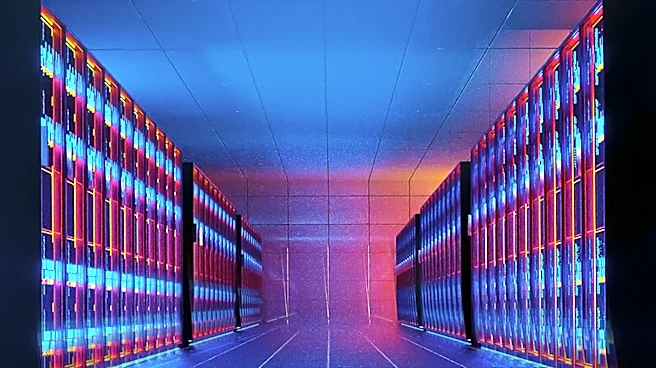
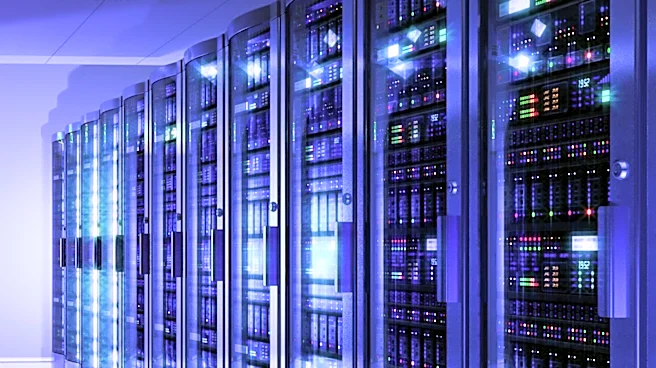
U.S. electricity bills are climbing, with residential electricity prices rising 3.8% year-over-year, and artificial intelligence (AI) data centers are identified as a significant contributing factor. These data centers, with over 1,500 planned or underway
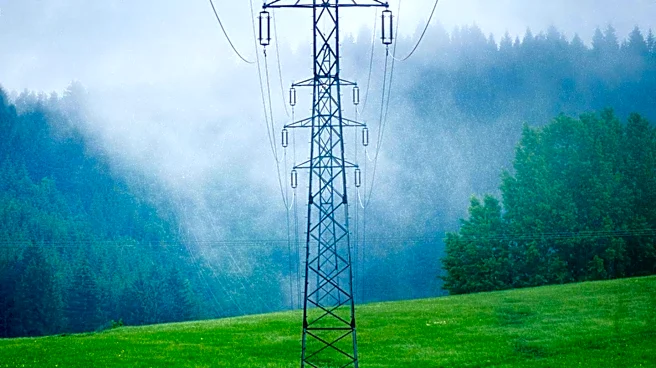
nationwide, primarily in rural areas, operate continuously, demanding massive amounts of power. This constant demand necessitates costly grid upgrades and new infrastructure, including transmission lines, substations, and transformers. Utilities are also facing increased labor, equipment, and supply-chain costs, alongside investments in transmission and maintenance. Wholesale power costs have also risen, contributing to a roughly 45% jump in average residential electricity prices since 2016. The expansion of AI data centers is accelerating this trend, leading to a political debate on whether households or technology companies should bear these infrastructure costs.
Why It's Important?
The rising electricity costs, partly fueled by AI data centers, have significant implications for U.S. households and the energy sector. Households are facing higher utility bills, impacting their disposable income and potentially leading to economic strain. The debate over who should pay for grid upgrades—consumers or tech companies—is reshaping political discourse, particularly in midterm elections, as voters grapple with increased rates. States like Texas and Oregon are already implementing new rules, requiring data centers to cover their connection costs and potentially face transmission charges, indicating a shift towards making tech companies more accountable. This trend could influence future energy policy, infrastructure development, and the financial models of both utility companies and technology giants, potentially leading to a re-evaluation of energy consumption and cost distribution in the digital age.
What's Next?
The political debate surrounding the allocation of electricity costs for AI data centers is expected to intensify, potentially leading to more states adopting regulations similar to those in Texas and Oregon. These regulations aim to shift the financial burden of grid upgrades and infrastructure development more directly onto technology companies. This could involve data centers being required to pay for their own connection costs, post financial security, and incur transmission charges. Such policy changes could influence the location and operational strategies of future AI data centers, potentially favoring areas with more favorable regulatory environments or lower infrastructure costs. Furthermore, the ongoing discussion may prompt utilities to explore innovative solutions for managing increased demand and integrating new infrastructure more efficiently, while consumers will likely continue to see electricity costs as a key issue in local and national elections.
Beyond the Headlines
The surge in electricity demand from AI data centers highlights a broader challenge at the intersection of technological advancement and sustainable infrastructure. The continuous, flat-out operation of these centers contrasts with traditional power consumption patterns, exposing vulnerabilities in existing grid designs and long-term energy planning. This situation raises ethical questions about the societal cost of rapid technological growth and who should ultimately bear it. It also underscores the need for a more integrated approach to energy policy that considers the environmental impact and resource demands of emerging technologies. The potential for data centers to disproportionately affect rural communities, where many are being built, could also lead to social equity concerns, as these areas may experience significant infrastructure changes and cost increases without fully benefiting from the economic opportunities. This development could accelerate the push for more energy-efficient AI technologies and renewable energy sources to power these data-intensive operations.