







What's Happening?
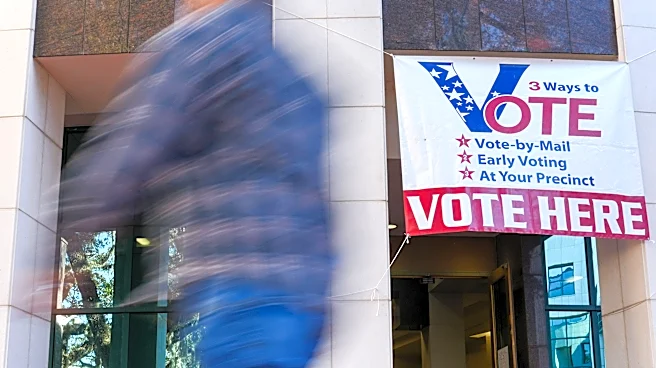
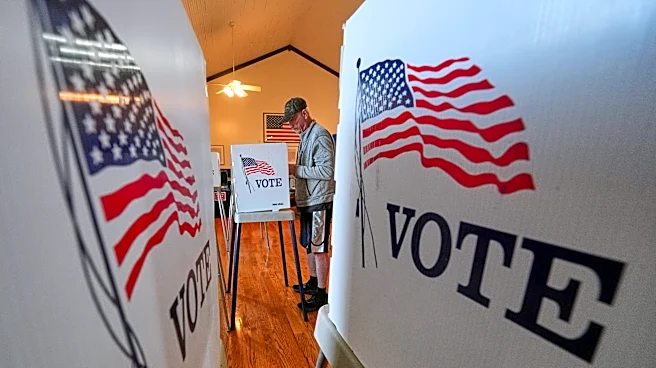
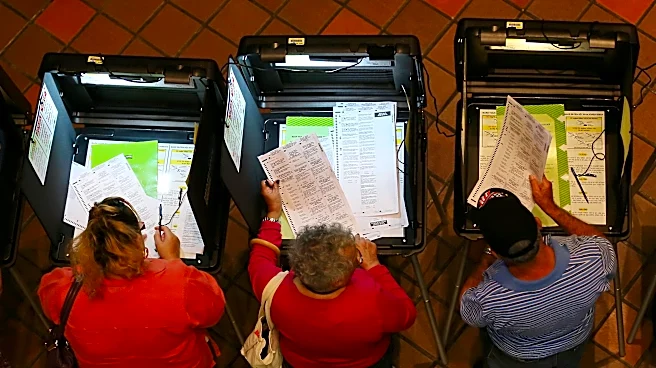
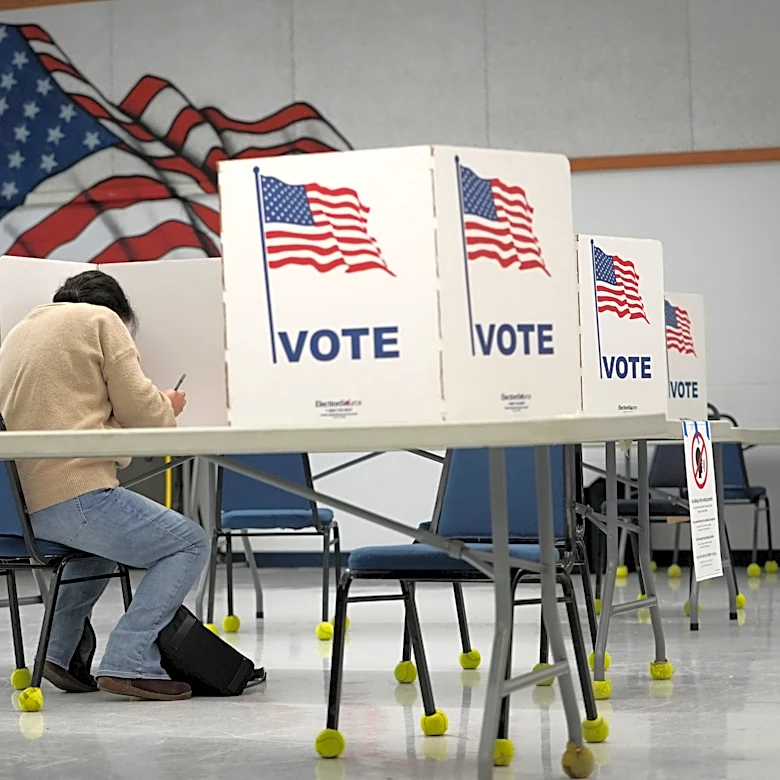
Houghton County in Michigan has reported a significant turnout for early in-person voting ahead of the November 2026 election. Over a nine-day period, 1,945 voters cast their ballots at the Houghton County Early Voting Center on Sharon Avenue. The first
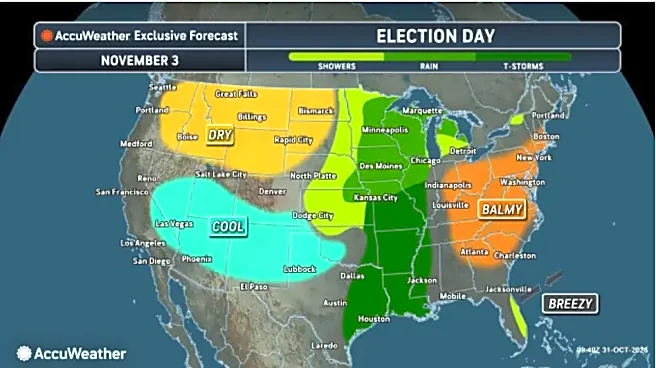
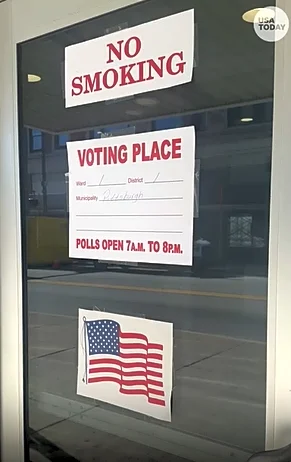
day of early voting, October 24th, saw the highest single-day turnout with 269 voters. On average, the center accommodated 216 voters daily. Houghton County Clerk Jennifer Kelly expressed satisfaction with the turnout. This early voting option was established following a November 2022 amendment to Michigan's state constitution. While the state initially provided funding for these centers, the responsibility for funding and staffing now falls on individual counties, a situation that has caused frustration among some county clerks due to concerns about future funding, staff training, and increased workload for already busy offices. In addition to early in-person voting, absentee mail-in ballots were also available, with a deadline of Election Day, November 3rd, for their arrival at local clerk's offices. Polling places will open at 7 a.m. and close at 8 p.m. local time on Election Day.
Why It's Important?
The strong early voter turnout in Houghton County highlights the increasing adoption and importance of early voting options in U.S. elections. This trend allows more citizens to participate in the democratic process, potentially increasing overall voter engagement and reducing congestion at polling places on Election Day. The constitutional amendment in Michigan to establish early in-person voting centers reflects a broader national movement towards making voting more accessible. However, the shift in funding responsibility from the state to counties raises critical questions about the long-term sustainability and equitable implementation of such initiatives. If counties struggle with funding and staffing, it could lead to disparities in voter access across different regions, potentially impacting the fairness and efficiency of elections. This situation underscores the need for clear, consistent, and adequately funded policies to support expanded voting options nationwide.
What's Next?
As the November 3rd Election Day approaches, the focus will shift to the final hours of voting and the subsequent counting of all ballots, including those cast early and by absentee mail. The success of early voting in Houghton County may serve as a case study for other counties and states considering or implementing similar programs. However, the concerns raised by county clerks regarding funding and operational burdens will likely necessitate further discussions and potential policy adjustments at the state level. Future legislative efforts might address how to sustainably fund and staff early voting centers to ensure their continued availability and effectiveness. Voters are encouraged to utilize resources like the Michigan Voter Information Center and the League of Women Voters Voters’ Guide to review their ballots and candidate information before heading to the polls.
Beyond the Headlines
The implementation of early in-person voting, while aimed at enhancing democratic participation, also brings to light underlying challenges in election administration. The frustration expressed by county clerks regarding funding and staffing points to a systemic issue where new mandates are introduced without commensurate resources. This can strain local government capacities and potentially lead to burnout among election officials. Furthermore, the reliance on volunteer efforts and the need for extensive training for election staff highlight the human capital requirements of a robust electoral system. The long-term success of expanded voting options depends not just on legal frameworks but also on practical support and sustainable funding models. This situation could also influence public perception of election efficiency and fairness, as any operational difficulties could be misconstrued as broader issues with the electoral process itself.