






What's Happening?
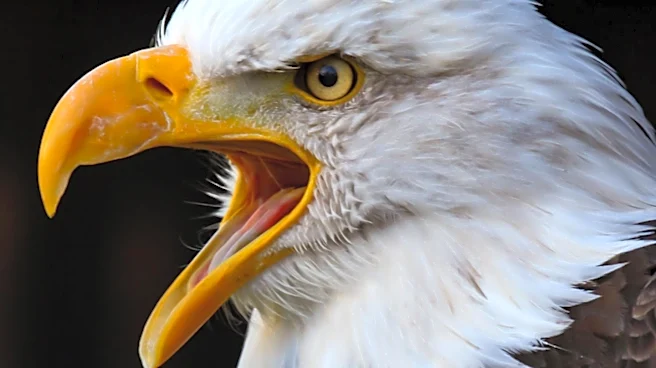
A public debate is ongoing regarding the appropriate disposition of the remains of Jackie, a famed bald eagle from Big Bear. Many individuals, who have followed Jackie and her mate Shadow through live-stream cameras for years, are expressing their opinions
on whether her remains should be given to Indigenous American tribal groups, returned to Big Bear, or even taxidermied for display. Some viewers, like Barbara Jackson, believe Jackie's remains should be returned to Big Bear near her nest, possibly for Shadow to find. Others, such as Steven Leffert, suggest a memorial like a star on the Hollywood Walk of Fame due to her widespread fame. Cora Peck argues that Indigenous American tribal groups, who revere bald eagles, would treat her remains with the respect and dignity she deserves, contrasting this with the idea of taxidermy, which she views as undignified. The discussion highlights the deep emotional connection the public has formed with Jackie and the varying perspectives on how to honor her legacy.
Why It's Important?
This discussion is important as it touches upon cultural reverence, public sentiment, and the ethical treatment of wildlife, even after death. The bald eagle holds significant cultural and spiritual importance for many Indigenous American tribal groups, symbolizing strength, wisdom, and freedom. Their traditional practices often involve treating animal remains with deep respect and ceremony, which contrasts with some public desires for taxidermy or display. The widespread public engagement with Jackie's life through live cameras also underscores the growing role of technology in fostering connections between humans and wildlife, leading to strong emotional attachments. This situation brings to light the complexities of managing the remains of iconic wild animals, balancing scientific, cultural, and public interests. The outcome of this debate could set a precedent for how the remains of other beloved wild animals are handled in the future, influencing policies on wildlife conservation and cultural heritage.
What's Next?
The decision regarding Jackie's remains is still pending, with various stakeholders advocating for different approaches. It is likely that discussions will continue among wildlife authorities, Indigenous American tribal representatives, and the public to reach a consensus. The National Eagle Repository is one potential destination for her remains, which collects and stores bald and golden eagle parts for religious and cultural use by Native Americans. The ongoing public discourse may influence the final decision, emphasizing the need for a solution that respects both the cultural significance of bald eagles and the emotional connection the public has developed with Jackie. The resolution of this matter could lead to clearer guidelines or protocols for handling the remains of prominent wild animals, especially those that have garnered significant public attention through media platforms.
Beyond the Headlines
The debate over Jackie's remains extends beyond a simple decision about an animal's body; it reflects a broader societal conversation about our relationship with nature and the intersection of modern media with traditional values. The live-streaming of Jackie's life created a unique, almost familial bond between a wild animal and millions of people, blurring the lines between observation and personal connection. This phenomenon raises questions about the responsibilities that come with such widespread public engagement, particularly when an animal becomes a cultural icon. Furthermore, the differing views on her remains highlight a tension between anthropocentric desires (e.g., taxidermy for display) and biocentric or culturally respectful approaches (e.g., honoring Indigenous traditions). This case serves as a poignant reminder of the diverse ways humans value and interact with wildlife, and the challenges in reconciling these perspectives in a pluralistic society. It also underscores the enduring spiritual significance of animals like the bald eagle to Indigenous cultures, a perspective that often needs to be centered in discussions about wildlife management.