




What's Happening?
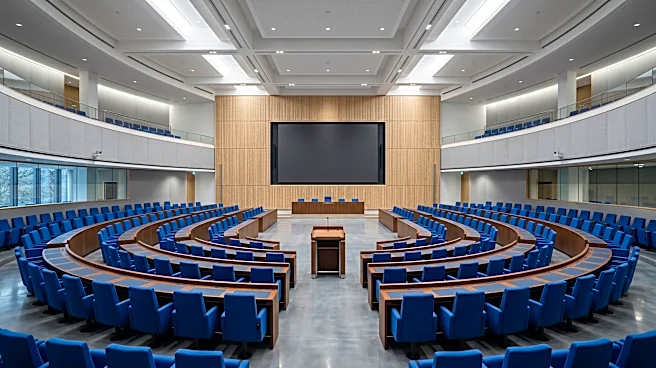
Thailand is making extensive preparations to host the 2026 Annual Meetings of the International Monetary Fund (IMF) and the World Bank Group, scheduled from October 12 to 18 at the Queen Sirikit National Convention Center (QSNCC) in Bangkok. The event
is expected to draw over 15,000 visitors from nearly 200 countries, including central bank governors, finance ministers, senior government officials, economists, and financial experts. This marks the second time Thailand will host these prestigious meetings, the first being in 1991. Preparations are being carried out according to the stringent standards of the IMF and World Bank Group, focusing on logistical details such as utilizing the QSNCC's capabilities to house all major activities within a single building, meticulous planning for amenities like coffee service, and innovative solutions like using community textiles for acoustic architecture. The IMF has also brought experts from Washington, D.C., to conduct rigorous interpreter selection tests.
Why It's Important?
Hosting the IMF-World Bank Group Annual Meetings is a significant opportunity for Thailand to showcase its capabilities on a global stage. For the U.S. and the international community, these meetings are crucial forums for discussing global economic cooperation, financial stability, and development challenges. The event facilitates high-level dialogues that can influence international economic policies, trade agreements, and financial aid initiatives, directly impacting U.S. economic interests and foreign policy objectives. Thailand's meticulous preparations, including the involvement of IMF experts from Washington, D.C., underscore the importance placed on the event's success. It also provides a platform for Thailand to promote its rich cultural heritage and demonstrate its capacity to host world-class international events, potentially boosting its tourism and investment appeal. The discussions held during these meetings often shape the global economic agenda for the coming year, affecting everything from interest rates to development aid.
What's Next?
As the 2026 Annual Meetings approach, Thailand will continue to finalize its preparations, ensuring all logistical and technical aspects meet the high standards set by the IMF and World Bank Group. The focus will remain on creating an efficient and conducive environment for the thousands of delegates. Following the meetings, Thailand hopes to leverage the exposure and connections made to further its economic and diplomatic objectives. The outcomes of the discussions and decisions made during the meetings will be closely watched by global financial markets and policymakers, as they will likely set the tone for international economic cooperation and development efforts in the subsequent period. The event will also serve as a benchmark for future international gatherings, showcasing best practices in event management and international collaboration.
Beyond the Headlines
Beyond the immediate logistical and economic benefits, Thailand's role as host for such a significant international gathering carries deeper implications. It reflects a growing recognition of Southeast Asia's importance in the global economic landscape. The use of community textiles for acoustic architecture, for instance, subtly integrates local culture into a high-profile international event, promoting cultural exchange and sustainable practices. The rigorous selection process for interpreters, involving experts from Washington, D.C., highlights the critical role of effective communication in international diplomacy and economic negotiations. This event is not just a conference; it's a moment for global leaders to converge, deliberate, and potentially forge solutions to pressing global issues, from climate change to economic inequality, with Thailand serving as the backdrop for these crucial conversations. It underscores the interconnectedness of global finance and the importance of multilateral institutions in navigating complex international challenges.