








What's Happening?
Lyft and Baidu have commenced testing autonomous vehicles in London's borough of Brent, with plans to introduce public robotaxi services by 2027, contingent on regulatory approval. This initiative is part of a strategic partnership between the two companies,
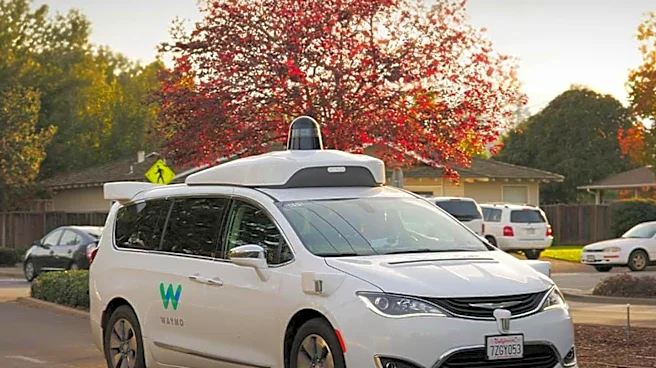
aiming to deploy Baidu's Apollo Go RT6 robotaxi across key European markets via the Lyft platform. The testing involves vehicles operated by human safety operators, marking a significant step towards fully autonomous operations. The UK government is currently developing regulations for autonomous vehicles and has opened applications for a pilot program to test self-driving vehicles under government oversight. This move positions London as a competitive arena for autonomous vehicle technology, with other companies like Waymo and Uber also testing similar technologies in the city.
Why It's Important?
The testing of autonomous vehicles by Lyft and Baidu in London represents a significant advancement in the development and deployment of self-driving technology. This initiative could potentially transform urban transportation, offering a glimpse into a future where robotaxis become a common mode of transport. The success of this project could influence regulatory frameworks and public acceptance of autonomous vehicles, impacting the ride-hailing industry and urban mobility. Companies that successfully navigate the regulatory landscape and technological challenges stand to gain a competitive edge in the burgeoning autonomous vehicle market. This development also highlights the growing collaboration between tech companies and traditional transportation services, aiming to integrate cutting-edge technology into everyday commuting.
What's Next?
As Lyft and Baidu continue their testing phase, the focus will be on securing regulatory approval and refining the technology to ensure safety and reliability. The UK government's ongoing development of autonomous vehicle regulations will play a crucial role in determining the timeline and scope of the robotaxi launch. Stakeholders, including city officials and safety regulators, will likely engage in discussions to address potential concerns and establish guidelines for the operation of autonomous vehicles. The outcome of these discussions and the success of the pilot program will influence the broader adoption of autonomous vehicles in urban settings, potentially setting a precedent for other cities and countries.