


What's Happening?
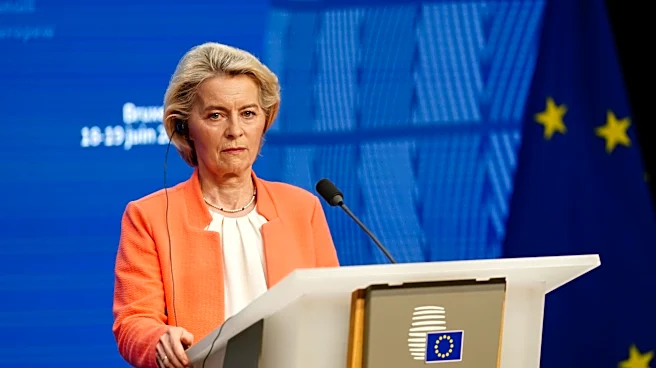
The African Union Peace and Security Council (AU PSC) and the European Union Political and Security Committee (EU PSC) held their Seventeenth Annual Joint Consultative Meeting in Addis Ababa, issuing a communiqué that addressed various security challenges
across Africa. A significant concern highlighted was the situation in the Sahel Region, where both councils expressed alarm over the expansion of terrorist activities, the proliferation of illicit Small Arms and Light Weapons (SALW), the adverse effects of climate change, prolonged political transitions, and a worsening humanitarian situation. They emphasized the need for enhanced AU-EU cooperation to combat terrorism and violent extremism in the Sahel and other parts of the continent, noting the use of new technologies by terrorist groups for financing. Regarding the Democratic Republic of Congo (DRC), the councils took note of a letter from the DRC dated September 24, 2026, concerning the disarmament, demobilization, cantonment, and repatriation (DDR) process of the FDLR, including its extension to all FDLR groups. They acknowledged the associated protocol and called for its swift implementation to neutralize the FDLR effectively, in line with Security Council resolution 2773 (2025).
Why It's Important?
This joint communiqué underscores the shared commitment of the AU and EU to address critical security and stability issues in Africa, particularly in regions like the Sahel and the DRC. The Sahel's deteriorating security situation, marked by terrorism and illicit arms, poses a significant threat to regional and international stability, potentially leading to further displacement, humanitarian crises, and radicalization. Enhanced cooperation between the AU and EU is vital for coordinating counter-terrorism efforts, addressing root causes of instability, and supporting governance. In the DRC, the effective disarmament of groups like the FDLR is crucial for achieving lasting peace and protecting civilians from ongoing violence and human rights abuses. The call for swift implementation of the DDR protocol reflects the urgency of neutralizing armed groups that destabilize the eastern DRC. The joint stance of these influential bodies signals a concerted effort to leverage diplomatic, security, and developmental tools to foster peace and security, impacting millions of lives and regional geopolitical dynamics.
What's Next?
Following this joint communiqué, the AU and EU are expected to intensify their collaborative efforts in the Sahel and the DRC. In the Sahel, this will likely involve increased intelligence sharing, coordinated counter-terrorism operations, and support for regional security initiatives. There will also be a focus on addressing the socio-economic drivers of extremism and the impacts of climate change. For the DRC, the immediate next step is the implementation of the FDLR disarmament, demobilization, cantonment, and repatriation protocol. This will require sustained political will from all parties, logistical support, and robust monitoring mechanisms to ensure compliance. The AU and EU will likely continue to advocate for the full implementation of UN Security Council resolution 2773 (2025), which includes calls for the withdrawal of foreign forces and cessation of support to armed groups. Future meetings and diplomatic engagements will likely track progress on these commitments and adapt strategies as security situations evolve.
Beyond the Headlines
The joint communiqué highlights the complex interplay of security, governance, and environmental factors contributing to instability in Africa. Beyond the immediate concerns of terrorism and armed groups, the document implicitly points to the need for holistic approaches that integrate security interventions with development aid, climate resilience programs, and good governance initiatives. The proliferation of illicit SALW in the Sahel, for instance, is not merely a security issue but also a symptom of weak state control, porous borders, and economic desperation. Similarly, the persistent presence of armed groups like the FDLR in the DRC reflects deep-seated historical grievances, resource exploitation, and regional geopolitical dynamics. The emphasis on using new technologies by terrorist groups also signals an evolving threat landscape that requires innovative countermeasures. This broader perspective suggests that sustainable peace requires addressing not just the symptoms of conflict but also their underlying structural causes, demanding long-term commitment and integrated strategies from both African and European partners.