






What's Happening?
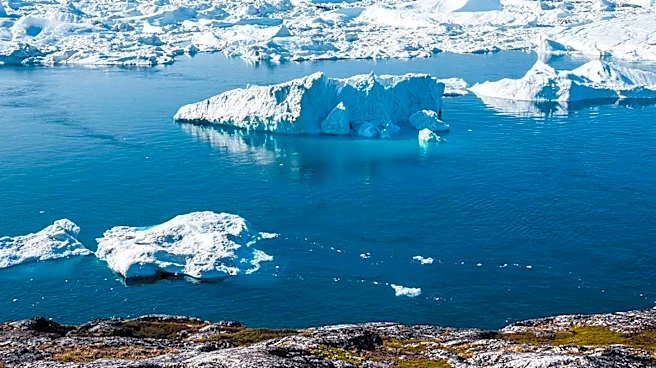
The Arctic region is undergoing significant and rapid changes driven by rising global temperatures. This warming trend is leading to a substantial reduction in sea ice, which in turn is opening up new shipping routes, such as the Northern Sea Route and the Northwest
Passage. These newly accessible waterways are expected to facilitate increased commercial shipping, resource extraction, and fishing activities. Concurrently, the diminishing ice cover is intensifying strategic competition among various nations, introducing new security and operational challenges in the vast and remote Arctic waters. To address these emerging complexities, advanced radar technology, specifically high-frequency radar, is being explored. This technology aims to provide comprehensive wide-area surveillance, ocean monitoring capabilities, and essential communications support for navies and governments operating in the region. The need for reliable systems to maintain awareness of activities across these enormous areas is becoming critical as more vessels, infrastructure, and nations increase their presence and operations in the Arctic.
Why It's Important?
The transformation of the Arctic region holds profound implications for global industries, international politics, and environmental policy. The opening of new shipping routes significantly reduces transit times between continents, potentially reshaping global trade patterns and supply chains. This could lead to economic benefits for countries bordering these routes, but also raises concerns about increased environmental impact from shipping and resource extraction. The heightened strategic competition among nations, including the U.S., Russia, China, and other Arctic states, underscores the region's growing geopolitical importance. This competition could manifest in increased military presence, territorial disputes, and a race for natural resources, impacting international relations and stability. The development and deployment of advanced surveillance technologies like high-frequency radar are crucial for maintaining situational awareness and ensuring safety and security in a region that is becoming increasingly active and contested. The changes in the Arctic also serve as a stark indicator of global climate change, highlighting the urgent need for international cooperation on climate mitigation and adaptation strategies.
What's Next?
In the immediate future, the focus will likely be on the continued development and deployment of advanced surveillance and communication technologies, such as high-frequency radar, to monitor the expanding activities in the Arctic. Governments and navies will need to enhance their capabilities to manage increased commercial traffic and address potential security challenges. International discussions and agreements regarding navigation rights, resource management, and environmental protection in the Arctic are expected to intensify as the region becomes more accessible. Furthermore, scientific research into the ongoing climate-induced changes will be critical to better understand the long-term ecological and environmental impacts. Stakeholders, including indigenous communities, will need to adapt to the changing environment and the socio-economic shifts brought about by increased activity. The coming years will likely see a continued push for both economic exploitation and environmental stewardship, creating a complex balance for policymakers and international bodies.
Beyond the Headlines
The rapid changes in the Arctic extend beyond immediate economic and geopolitical concerns, touching upon deeper ethical and cultural dimensions. The melting ice and increased human activity pose significant threats to the unique Arctic ecosystems and the traditional ways of life for indigenous communities. The ethical responsibility of nations to protect these vulnerable environments and cultures while pursuing economic opportunities will be a central challenge. Legally, the interpretation and enforcement of international maritime law and territorial claims in a rapidly changing physical landscape will likely lead to complex disputes. Culturally, the transformation of the Arctic challenges long-held perceptions of the region as a pristine, remote wilderness, forcing a re-evaluation of humanity's relationship with extreme environments. The long-term shifts triggered by these developments could include a permanent alteration of global climate patterns, further accelerating sea-level rise, and impacting weather systems worldwide, making the Arctic a critical barometer for the planet's future.