







What's Happening?
The article provides a detailed account of the final years of Henry Lucas, a significant figure in the early development of Alaska's Kenai Peninsula. Lucas, who spent over three decades as a miner, fox farmer, cabin builder, and big-game guide, left Alaska around
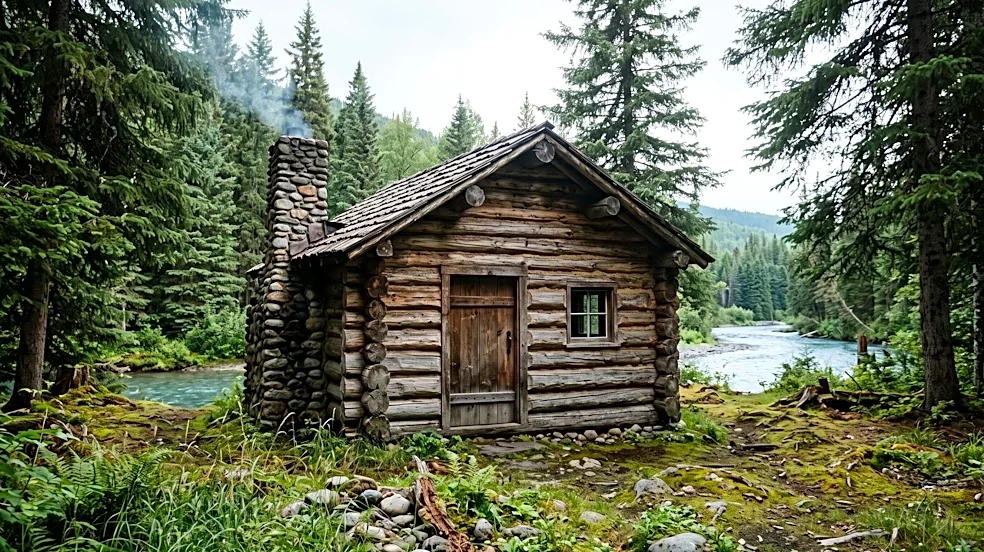
1945 and entered the Odd Fellows' Home in Walla Walla, Washington. He died there on January 20, 1951, at the age of 67, with his death attributed to uremia due to kidney failure. His brother, Peter Lucas, and sister-in-law, Anna Lucas, who resided in Kansas City, Kansas, passed away two years later in 1953. The narrative highlights Lucas's contributions, including operating the first ferry service across the Kenai River and his role in creating the 'Moose Horn Trail' with guide Andy Simons. His legacy is also marked by Lucas Island on Skilak Lake and the lodge at Cottonwood Creek, which, though remodeled, still stands as the Kenai Backcountry Lodge.
Why It's Important?
This historical narrative is important as it sheds light on the lives of early American pioneers who shaped the development of remote regions like the Kenai Peninsula in Alaska. Henry Lucas's story exemplifies the rugged individualism and resourcefulness required to thrive in the wilderness, contributing to the infrastructure and exploration of the area. His establishment of the first ferry service and his involvement in creating significant trails were crucial for transportation and access in a largely undeveloped territory. The preservation of his legacy through landmarks like Lucas Island and the Kenai Backcountry Lodge underscores the lasting impact of such individuals on the region's geography and tourism. Understanding these historical figures provides context for the current landscape and the ongoing efforts to balance development with conservation in areas like the Kenai National Wildlife Refuge.
What's Next?
While Henry Lucas's story is historical, its continued recounting contributes to the ongoing preservation of Alaskan pioneer history. Future efforts may involve further research into the lives of individuals like Lucas to enrich historical archives and educational programs. The sites associated with Lucas, such as Lucas Island and the Kenai Backcountry Lodge, will likely continue to serve as points of interest, potentially inspiring further historical interpretation or conservation initiatives. The narrative also implicitly encourages the documentation of other 'quiet, hard-working, non-self-aggrandizing individuals' whose contributions might otherwise fade from memory, ensuring a more comprehensive understanding of American history and regional development.
Beyond the Headlines
The story of Henry Lucas delves into the broader themes of human resilience, adaptation, and the often-unheralded contributions of individuals to the shaping of a nation. It highlights the transition from a life of wilderness and self-reliance to the structured environment of a nursing home, reflecting the universal human experience of aging and the eventual need for care. The narrative also touches upon the ephemeral nature of personal legacies, especially for those without direct descendants, and the importance of historical documentation in preventing such stories from being lost. Furthermore, Lucas's involvement with the Independent Order of Odd Fellows points to the role of fraternal organizations in providing social support and care during a time when formal social safety nets were less developed, offering a glimpse into the social fabric of early 20th-century America.