




What's Happening?
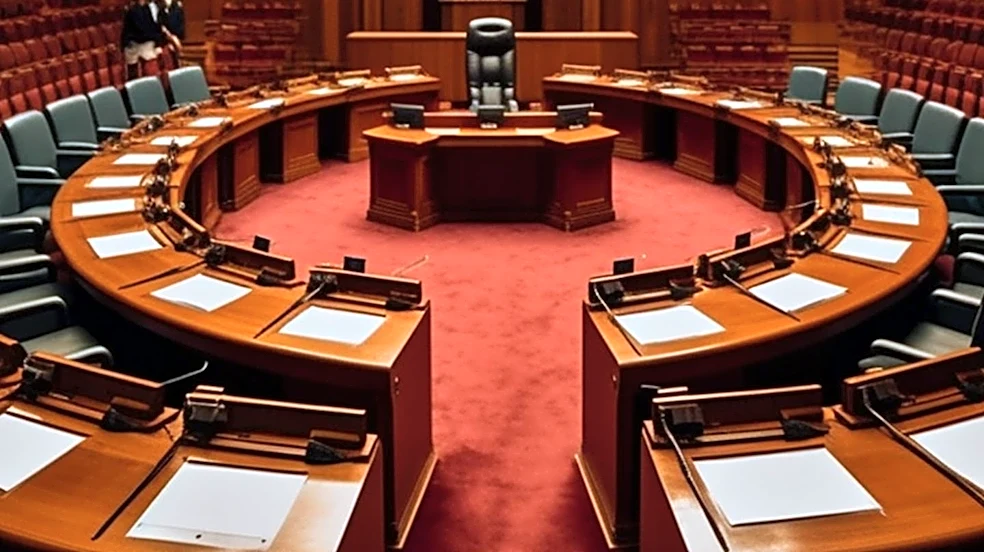
Four New York State lawmakers have not attended the Capitol in person for the entire year, according to attendance records obtained by The Post through a public information request. Among the most absent are Assembly members Vivian Cook (D-Queens) and
David McDonough (R-Nassau County), both 89 years old, who are battling long-term illnesses and are not seeking re-election. Assemblyman Brian Maher (R-Orange County), a Navy reservist, missed every session day due to deployment in the Middle East. Additionally, Assemblyman Alex Bores (D-Manhattan) missed 31 session days while campaigning in the Democratic primary for the 12th Congressional District to replace retiring Rep. Jerry Nadler (D-NY). Assemblyman Micah Lasher (D-Manhattan), who won the 12th District primary, missed 26 session days. These absences contribute to a total of 442 missed days among the 10 most absent lawmakers, representing 39% of all absences since January, despite making up only 5% of the state legislature. Lawmakers can vote remotely but cannot participate in legislative sessions from afar.
Why It's Important?
The significant number of missed legislative days by New York State lawmakers raises concerns about representation and the effectiveness of the legislative process. The chronic absences, particularly from long-serving members due to health issues, highlight potential challenges in maintaining active participation and decision-making within the state government. While remote voting is available, the inability to participate in legislative sessions in person could hinder robust debate, committee work, and the overall legislative output. The cases of lawmakers missing sessions to pursue higher office, such as a congressional seat, also bring into question the balance between serving current constituents and campaigning for future roles. This situation could lead to a perception of neglect among constituents and potentially impact the quality and quantity of legislation passed, especially on complex issues requiring in-depth discussion and presence.
What's Next?
The ongoing issue of lawmaker absenteeism in New York State is likely to fuel further discussions on legislative attendance policies and the potential for term limits, as suggested by Assemblyman Brian Maher. With two 89-year-old lawmakers not seeking re-election, their seats will be filled by new representatives, potentially bringing fresh perspectives and improved attendance. However, the broader implications of remote participation versus in-person presence in legislative sessions may continue to be debated, especially given the precedent set during the pandemic. Constituents and watchdog groups may increase scrutiny on attendance records, potentially influencing future elections and calls for greater accountability from elected officials. The impact of these absences on specific legislative initiatives and the overall governance of New York State will likely be a focal point for public discourse and media attention.
Beyond the Headlines
Beyond the immediate concerns of legislative efficiency, the chronic absenteeism among New York State lawmakers touches upon deeper issues of civic duty, public trust, and the evolving nature of political representation. The defense offered by some lawmakers, such as prioritizing local events or passing bills despite absences, highlights a tension between traditional legislative responsibilities and the demands of constituent engagement and political campaigning. The ability to vote remotely, while offering flexibility, also raises questions about the intangible benefits of in-person collaboration and debate in shaping legislation. This situation could contribute to a broader public cynicism regarding political institutions if citizens perceive their representatives as disengaged. Furthermore, the health-related absences of elderly lawmakers may reignite debates about age and fitness for public office, and whether current systems adequately support or address the needs of long-serving officials.