







What's Happening?
Researchers have identified a potential health crisis linked to rising sea levels, which are causing increased salinity in drinking water, particularly affecting coastal communities. This salinity is associated with higher blood pressure levels, a significant
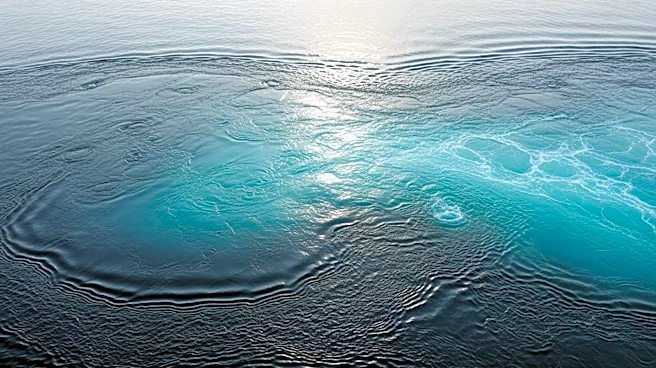
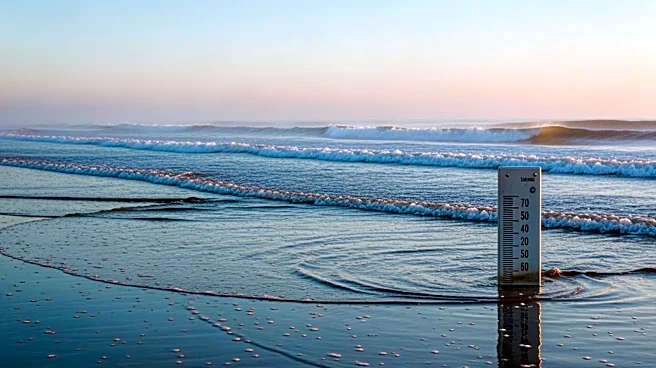
risk factor for hypertension. The study highlights that people consuming saltier water have a 26% higher likelihood of developing hypertension. The issue is particularly concerning for low-lying coastal populations who rely on shallow wells or groundwater, which are more susceptible to saltwater intrusion. The rising sea levels, projected to increase by 7.2 feet by 2100, exacerbate this problem by contaminating freshwater sources with seawater.
Why It's Important?
The implications of this study are significant for public health, especially in coastal regions of the U.S. and globally. High blood pressure is a major health concern, contributing to numerous deaths annually. The findings suggest that as sea levels rise, more communities could face increased health risks due to saltier drinking water. This could lead to higher healthcare costs and necessitate infrastructure changes, such as upgrading water treatment facilities to handle increased salinity. The study underscores the need for proactive measures to address this emerging health threat before it becomes a widespread issue.
What's Next?
Communities and policymakers may need to develop contingency plans to mitigate the impact of rising salinity in drinking water. This could involve investing in desalination technologies or relocating water treatment facilities. Public health campaigns might also be necessary to educate affected populations about the risks and encourage lifestyle changes to manage blood pressure. Monitoring and early detection systems could be crucial in identifying and addressing salinity issues before they escalate.