



What's Happening?
The United Arab Emirates (UAE) Ministry of Defence reported engaging multiple Iranian ballistic missiles, unmanned aerial vehicles (UAVs), and cruise missiles in recent days. On March 31, the UAE intercepted eight ballistic missiles, 36 UAVs, and four
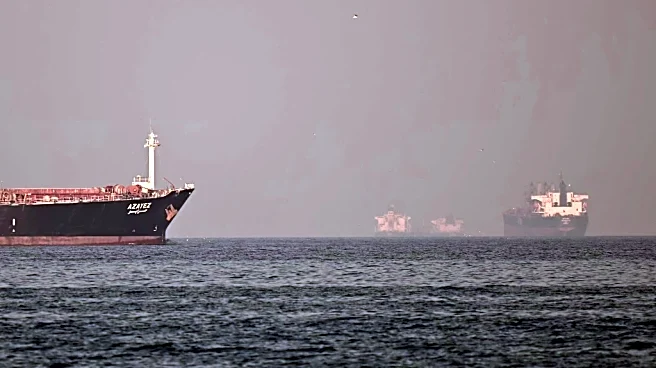
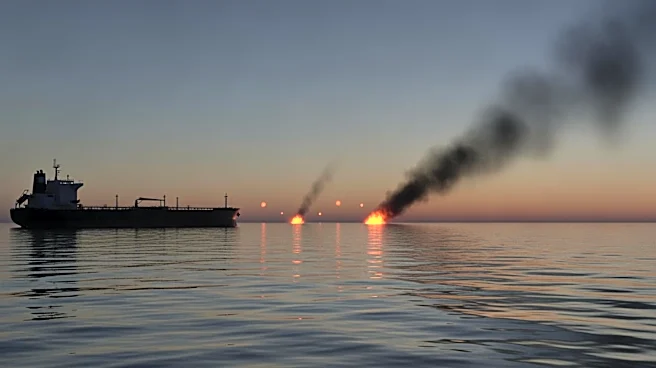
cruise missiles. This follows a series of attacks over the preceding days, indicating an escalation in hostilities. Qatar and Bahrain have also reported intercepting missiles and UAVs, with some attacks resulting in damage to infrastructure, such as an oil tanker leased to Qatar Energy. The increased frequency of these attacks highlights the ongoing conflict and regional instability.
Why It's Important?
The escalation of missile attacks from Iran against the UAE and other Gulf states underscores the heightened tensions in the region. These developments have significant implications for regional security and the global energy market, as the Gulf is a critical hub for oil and gas production. The attacks could disrupt energy supplies and lead to increased volatility in global oil prices. Additionally, the conflict poses a threat to international shipping routes, which are vital for global trade. The situation may prompt international diplomatic efforts to de-escalate tensions and prevent further conflict.
What's Next?
As the conflict continues, regional and international stakeholders will likely seek diplomatic solutions to reduce hostilities. The involvement of European countries and other global powers could play a crucial role in mediating the situation. The UAE and its allies may also enhance their defense capabilities to counter future attacks. The ongoing conflict will require careful monitoring, as any further escalation could have far-reaching consequences for regional stability and global economic interests.