






What's Happening?
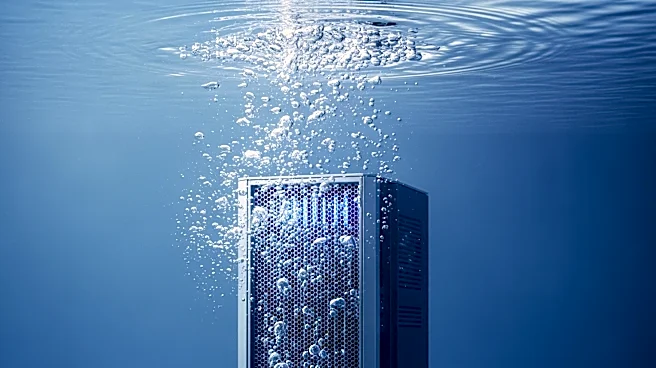
Underwater data centers are being explored as a solution to the cooling challenges faced by traditional data centers. These facilities leverage the ocean's natural cooling properties to reduce energy consumption and land use. While China has made strides
in commercializing underwater data centers, the technology faces significant hurdles, including maintenance, grid connectivity, and environmental concerns. Microsoft's Project Natick demonstrated the feasibility of underwater data centers, but the company has not pursued commercial deployment, highlighting the complexities involved. The technology's potential benefits are tempered by logistical and operational challenges that must be addressed for widespread adoption.
Why It's Important?
The development of underwater data centers represents a novel approach to addressing the growing energy demands of data centers, particularly as artificial intelligence workloads increase. By reducing reliance on mechanical cooling, these facilities could improve energy efficiency and reduce environmental impact. However, the challenges associated with underwater deployment, such as maintenance and connectivity, underscore the need for comprehensive evaluation of the technology's viability. The success of underwater data centers could influence future data center design and energy strategies, particularly in regions with limited land and cooling resources.
What's Next?
Further research and development are needed to address the technical and environmental challenges of underwater data centers. This includes improving maintenance protocols, ensuring reliable power and data connections, and conducting thorough environmental impact assessments. Collaboration between technology companies, marine engineers, and environmental scientists will be crucial in advancing the technology. As the industry seeks sustainable solutions to data center cooling, underwater facilities may become a viable option in specific contexts, such as coastal cities with strong marine infrastructure.
Beyond the Headlines
The exploration of underwater data centers raises broader questions about the future of digital infrastructure and the balance between innovation and environmental responsibility. As technology companies pursue new solutions to energy challenges, they must consider the long-term implications of their choices on ecosystems and communities. The development of underwater data centers also highlights the importance of interdisciplinary collaboration in addressing complex technological and environmental issues.