



What's Happening?
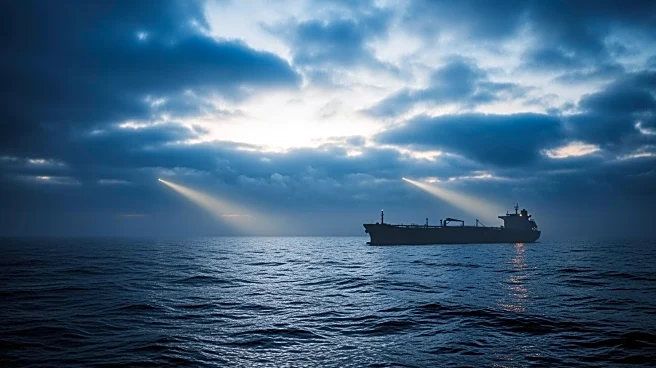
The U.S. is actively pursuing the seizure of a Russian-flagged tanker, previously linked to Venezuelan oil exports, as it attempts to evade capture across the Atlantic. The vessel, initially named Bella 1, changed its name to Marinera and its flag to Russia's
registry during the pursuit. The tanker is currently navigating near the GIUK Gap, under surveillance by U.S. and Irish aerial assets. This pursuit follows the U.S. interception attempt, which the tanker evaded by reversing course. The situation is part of a broader context involving multiple tankers attempting to escape U.S. sanctions and interdiction efforts.
Why It's Important?
This incident highlights the ongoing geopolitical tensions surrounding U.S. sanctions on Venezuela and the complexities of enforcing these measures on the high seas. The pursuit of the Marinera underscores the challenges faced by the U.S. in maintaining its sanctions regime, particularly as vessels employ tactics such as changing flags and spoofing locations to evade capture. The situation also reflects broader international dynamics, as the involvement of Russian-flagged vessels could complicate U.S.-Russia relations. The outcome of this pursuit may set precedents for future enforcement actions and impact global maritime trade practices.
What's Next?
The U.S. is likely to continue its efforts to intercept the Marinera, potentially involving diplomatic negotiations or further military actions. The situation may prompt discussions within international maritime and legal frameworks regarding the enforcement of sanctions and the rights of flagged vessels. Additionally, the U.S. may enhance its surveillance and interdiction capabilities to prevent similar evasions in the future. The broader implications for U.S. foreign policy and international relations will depend on the resolution of this high-stakes maritime pursuit.