






What's Happening?
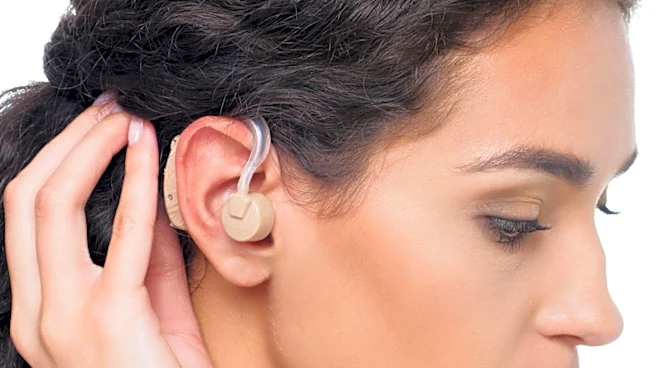
Artificial intelligence (AI) is being integrated into modern hearing aids to significantly improve sound processing and user experience. While hearing begins in the ears, the brain interprets and gives meaning to sound. AI-powered hearing aids support
this complex listening process by enhancing access to speech. Machine learning, a subset of AI, enables these devices to learn patterns from data, identify different sound environments, and automatically adjust settings to facilitate easier listening. For instance, some systems are trained on extensive collections of speech and competing sounds to better distinguish between them, thereby reducing distractions and making speech clearer in noisy environments like restaurants. Additionally, certain models can learn from a wearer's adjustments over time, personalizing sound preferences. Modern feedback management systems, often utilizing AI, can also reduce the whistling sound that can occur when amplified sound escapes the ear. It is important to note that AI features complement, rather than replace, professional hearing care, including evaluation, selection, fitting, and follow-up.
Why It's Important?
The integration of AI into hearing aids is a significant advancement for individuals with hearing loss in the U.S., offering a more sophisticated and personalized listening experience. This technology moves beyond simply amplifying sound, providing intelligent processing that adapts to diverse and challenging acoustic environments. For users, this means improved speech clarity, reduced listening effort, and a greater ability to participate in conversations and social settings, which can profoundly impact their quality of life and social engagement. The ability of AI to learn user preferences and automatically adjust settings makes hearing aids more intuitive and effective, reducing the need for constant manual adjustments. This innovation also highlights the ongoing convergence of medical technology and artificial intelligence, pushing the boundaries of assistive devices. While AI enhances functionality, the continued emphasis on professional hearing care ensures that individuals receive tailored solutions and ongoing support, maximizing the benefits of these advanced devices.
What's Next?
The future of AI in hearing aids will likely involve further advancements in personalization, environmental adaptation, and seamless integration with other smart technologies. As AI models become more sophisticated, hearing aids may offer even more precise sound differentiation and noise reduction, making listening effortless in an even wider range of complex environments. There could be increased development in AI-driven features that anticipate user needs based on location, activity, or even biometric data. The trend towards devices that learn and adapt over time will continue, leading to highly customized sound profiles unique to each wearer. Research and development will also focus on improving the efficiency of AI algorithms to extend battery life while maintaining high-performance processing. The collaboration between AI developers and audiology professionals will remain crucial to ensure that technological advancements are clinically relevant and effectively address the diverse needs of individuals with hearing loss. The goal is to create hearing aids that are not just assistive devices but intelligent companions that enhance auditory perception in every aspect of daily life.
Beyond the Headlines
The deeper implications of AI in hearing aids extend to broader discussions about accessibility, quality of life, and the ethical considerations of medical AI. Enhanced hearing aid technology can significantly reduce the social isolation often experienced by individuals with hearing loss, fostering greater participation in community and professional life. This could lead to a more inclusive society where communication barriers are minimized. Ethically, the development of AI-powered medical devices raises questions about data privacy, particularly concerning personal health data collected by these devices, and the transparency of AI algorithms in making critical sound processing decisions. There's also the potential for a 'digital divide' if advanced AI hearing aids become prohibitively expensive, limiting access for lower-income individuals. Culturally, these advancements could shift perceptions of hearing aids from mere medical devices to sophisticated, lifestyle-enhancing technologies. The long-term impact could be a paradigm shift in how hearing loss is managed, moving towards proactive, personalized, and continuously adaptive solutions that integrate seamlessly into users' lives, potentially influencing public health policies and insurance coverage for such advanced technologies.