






What's Happening?
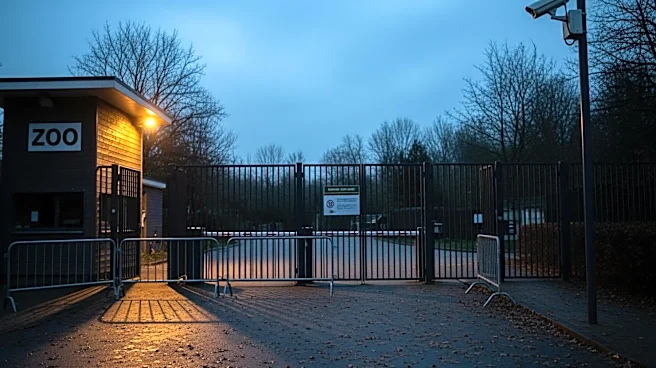
Several zoos across the United States have been targeted by hoax calls involving bomb threats and claims of active shooters, leading to evacuations and closures. These incidents, described as swatting, have disrupted operations and strained public safety
resources. Recent threats prompted evacuations at the Akron Zoo and Cleveland Metroparks Zoo in Ohio, as well as the Columbus Zoo and Aquarium. No real threats were found, but the incidents highlight a growing national problem. The FBI has identified swatting as a serious crime with potentially dangerous consequences, including the risk of injury to first responders and the public.
Why It's Important?
The rise in swatting incidents poses significant challenges for public safety and resource allocation. These hoax calls not only disrupt operations at targeted locations but also divert critical emergency services, potentially delaying responses to genuine emergencies. The financial and emotional toll on affected institutions and communities is considerable. As swatting becomes more prevalent, there is an increased need for awareness and preventive measures to mitigate its impact. The incidents underscore the importance of robust security protocols and collaboration between law enforcement and public institutions to address this threat.
What's Next?
Authorities are likely to enhance efforts to track and prosecute individuals responsible for swatting incidents. Increased collaboration between law enforcement agencies and targeted institutions may lead to improved response strategies and preventive measures. Public awareness campaigns could be implemented to educate communities about the dangers of swatting and encourage reporting of suspicious activities. The ongoing investigation into recent incidents may result in further legal actions against perpetrators, serving as a deterrent to future swatting attempts.