



What's Happening?
As summer approaches, power crews are preparing for increased demand and challenging working conditions. The season brings peak electricity demand due to air conditioning use, and crews must contend with heat stress, lightning, and severe storm restoration.
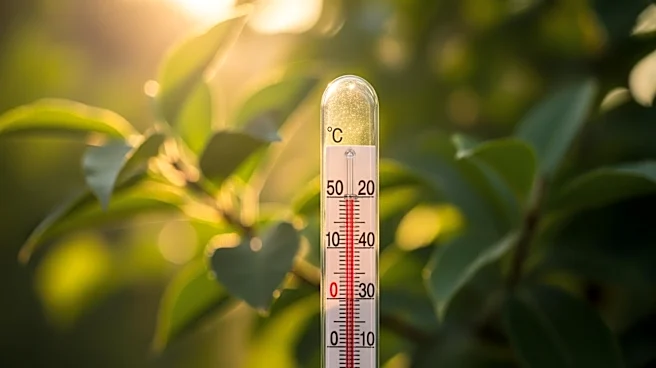
Heat stress is a significant concern, with symptoms ranging from cramps to life-threatening heat stroke. Lightning poses a risk to workers on elevated platforms, and severe storms require rapid response to restore power. The lack of a federal heat standard means crews rely on state regulations and company policies to ensure safety.
Why It's Important?
The safety of power crews is critical to maintaining reliable electricity supply during the summer months. Heat stress and severe weather can lead to accidents and delays in power restoration, affecting millions of customers. The industry's ability to manage these risks is essential for economic stability and public safety. The situation highlights the need for comprehensive safety protocols and training to protect workers and ensure efficient operations.
What's Next?
Utilities are likely to continue refining their safety protocols and training programs to address the challenges of summer weather. The development of a federal heat standard could provide a uniform framework for protecting workers. In the meantime, companies will need to rely on state regulations and internal policies to ensure safety. The focus on worker safety and preparedness will be crucial in maintaining reliable power supply and minimizing the impact of severe weather events.