



What's Happening?
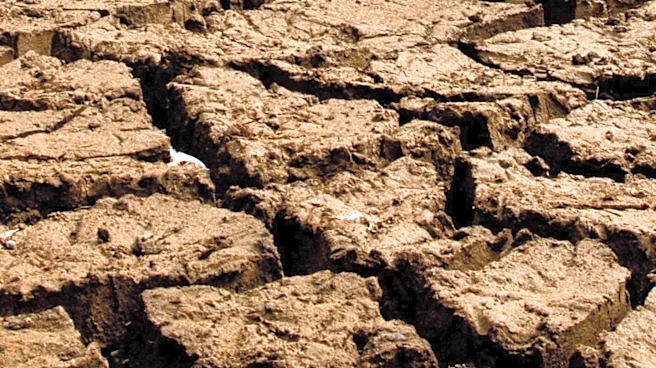
Oklahoma and northern Texas are experiencing severe drought conditions exacerbated by prolonged heatwaves and subnormal humidity. The region has seen less than half of its normal rainfall over the past 30 days, leading to widespread deterioration of grasslands,
depleted water sources, and increased fire danger. Temperatures have averaged significantly above normal, further accelerating surface moisture loss. The drought has affected agricultural productivity and heightened the risk of wildfires, posing challenges for local communities and farmers. Despite some areas receiving moderate rainfall, the overall impact of the drought remains severe, with significant implications for water management and agricultural practices.
Why It's Important?
The intensifying drought conditions in Oklahoma and Texas highlight the vulnerability of these regions to climate variability and extreme weather events. The agricultural sector, a critical component of the local economy, faces significant challenges due to reduced water availability and increased fire risk. This situation underscores the need for effective water management strategies and climate adaptation measures to mitigate the impact of droughts. The ongoing drought also raises concerns about long-term sustainability and resilience of agricultural practices in the face of changing climate patterns, emphasizing the importance of developing robust infrastructure and policies to support affected communities.