



What's Happening?
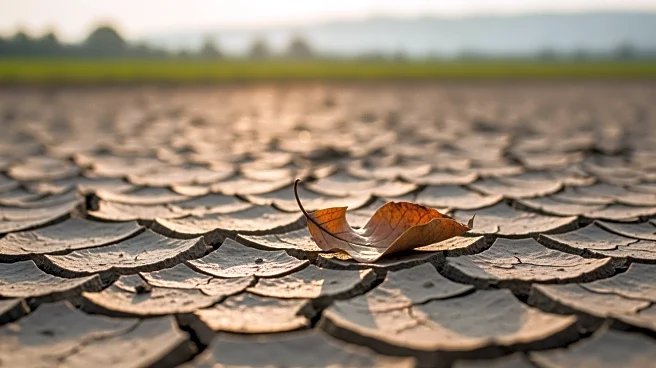
The global food system is under significant strain due to the intensifying effects of climate change, which is causing increased crop losses through extreme weather events such as floods, droughts, and cyclones. These events have led to substantial economic
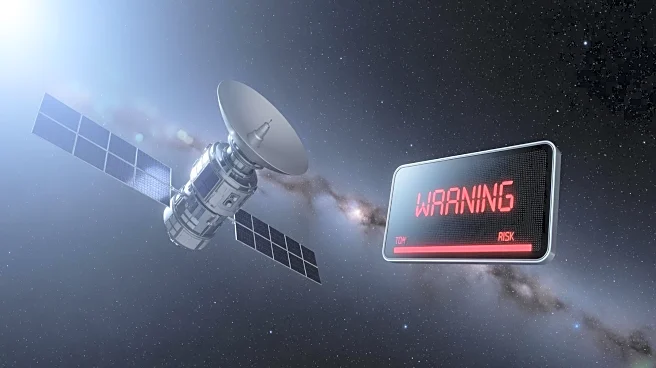
losses, with $50 billion reported in 2025 alone. The volatility in weather patterns is widening the range of agricultural yield outcomes, making risk management more complex for commodity markets. Real-time monitoring systems, which utilize satellite imagery, weather data, and IoT sensors, are being employed to detect early signs of crop stress or strength, allowing for faster sourcing decisions and reducing climate-driven disruptions.
Why It's Important?
The impact of climate change on agriculture is profound, affecting both essential and non-essential crops, and leading to increased price volatility in agricultural commodities. This volatility poses challenges for manufacturers, as production costs rise and supply chains become more unstable. The unpredictability of weather patterns means that both bumper crops and crop failures are becoming more common, complicating planning and risk management for producers and traders. The stakes for global food security are high, as the ability to anticipate and respond to these changes is crucial for maintaining stable food supplies and prices.
What's Next?
To mitigate these risks, investment in regenerative agriculture is being promoted as a strategy to improve soil health, enhance biodiversity, and build climate resilience. Additionally, the use of technologies that provide early, accurate information to manufacturers is essential for planning and decision-making. Continuous, real-time monitoring of agricultural regions is critical during the growing season to adjust sourcing, hedging, or inventory positions before crops are harvested. Collaboration between farmers, manufacturers, and governments will be necessary to build supply chains capable of withstanding a more volatile climate.
Beyond the Headlines
The broader implications of climate change on the food system include the need for a fundamental rethink of how food systems function. This includes diversifying sourcing, modernizing infrastructure, and investing in sustainable agricultural practices. The challenges presented by climate change also offer opportunities to innovate and strengthen the resilience of the global food supply chain. As climate change continues to reshape the agricultural landscape, the industry faces a defining moment to adapt and ensure long-term food security.