










What's Happening?
Italian cities are increasingly imposing restrictions on short-term rentals, impacting property owners who have traditionally relied on this model to offset costs. The introduction of the Codice Identificativo Nazionale (CIN) by the Italian government
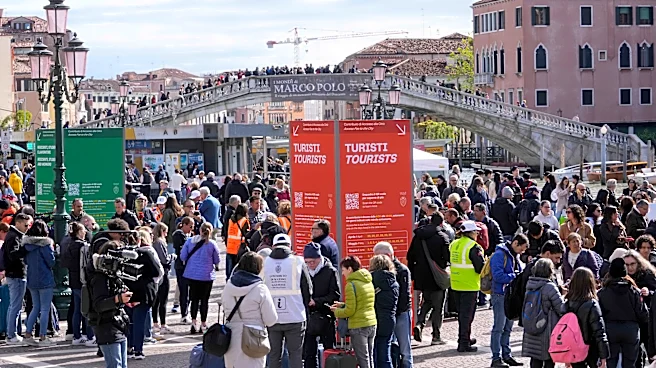
requires properties used for short-term rentals to be registered, aiming to bring transparency to the rapidly growing market. Cities like Florence and Naples are leading the charge with local regulations that limit short-term rentals in historic and residential areas. Florence has extended restrictions beyond its UNESCO historic center, while Naples is considering urban planning rules to maintain residential use in its historic center. These changes reflect a broader trend of using urban planning tools to address overtourism and preserve residential neighborhoods.
Why It's Important?
The new regulations on short-term rentals in Italy have significant implications for property owners, particularly those from the U.S. who own or are considering purchasing property in Italy. These changes could affect the profitability of owning property in popular tourist destinations, as the ability to rent out properties short-term is now subject to stricter controls. The move towards more regulated short-term rentals is part of a broader effort to manage overtourism and its impact on local communities. For U.S. investors, this means a need for thorough due diligence and understanding of local laws before purchasing property intended for short-term rental use. The evolving legal landscape could also influence property values and investment strategies.
What's Next?
As Italian cities continue to refine their regulations, property owners and potential buyers must stay informed about local laws and compliance requirements. The trend towards stricter controls is likely to continue, with more cities potentially adopting similar measures to those in Florence and Naples. Property owners may need to adjust their business models, possibly shifting towards long-term rentals or other uses. Additionally, the legal and tax implications of these changes will require careful planning and consultation with legal professionals to ensure compliance and optimize investment returns.
Beyond the Headlines
The shift in short-term rental regulations in Italy highlights a growing tension between tourism and local community needs. As cities grapple with the effects of overtourism, the balance between economic benefits and preserving local culture and residential life becomes increasingly important. This trend may inspire similar regulatory approaches in other countries facing similar challenges. For U.S. property owners, understanding these dynamics is crucial for making informed investment decisions and aligning with sustainable tourism practices.