






What's Happening?
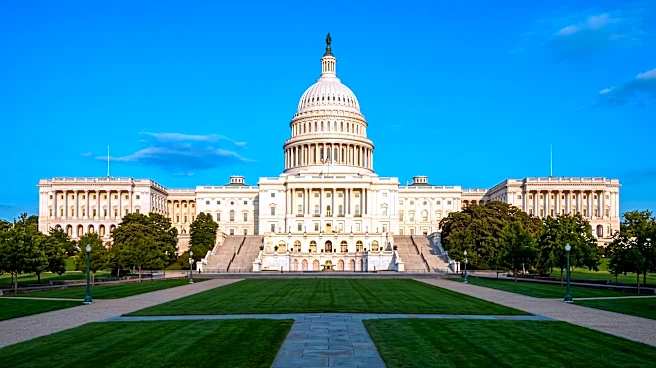
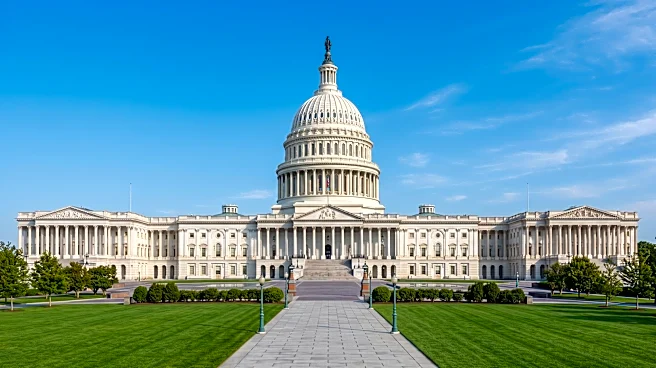
Congresswoman Diana Harshbarger (R-TN) has introduced the 'Freedom to Home Distill Act,' a piece of legislation aimed at ending the federal prohibition on home distillation. This bill seeks to grant individuals the same tax-free, personal-use exemption
for distilling spirits at home that has been available to home brewers of beer and wine since 1978. The proposed act would allow for the production of up to 10 proof gallons per year for single-adult households and up to 20 proof gallons for households with two or more adults aged 21 or older. It explicitly prohibits the sale or transfer of these home-distilled spirits and exempts qualifying home stills from federal registration requirements, provided they meet specific safety standards. The legislation also removes criminal penalties under the tax code for distilling within a qualifying home distillery establishment and preserves state authority to regulate or prohibit home distillation as they choose. The current federal restriction on home distillation predates Prohibition by over 50 years.
Why It's Important?
This legislation is significant as it addresses a long-standing federal law that many consider outdated, especially given the legal status of home brewing for beer and wine. The bill aims to restore a tradition of self-reliance and craftsmanship, particularly in regions like Appalachia where distilling has deep historical roots. By modernizing this law, it could empower individuals to engage in a hobby without fear of federal prosecution, aligning federal regulations with personal liberties. The bill's emphasis on personal use and prohibition of sales ensures it does not interfere with commercial distilling markets, while still allowing for individual freedom. The support from figures like Eric 'Digger' Manes from the reality television series 'Moonshiners' highlights the cultural relevance and public interest in this issue, suggesting a potential shift in how federal law views traditional practices.
What's Next?
The 'Freedom to Home Distill Act' will now proceed through the legislative process in Congress. It has already garnered support from original cosponsors, including Reps. Tim Burchett (R-TN) and Riley Moore (R-WV), indicating a bipartisan interest in the issue. The next steps will involve committee review, potential amendments, and votes in both the House and Senate. Advocates for the bill are encouraging citizens to contact their federal representatives to request support. If passed, the bill would significantly alter federal regulations concerning home-produced spirits, though states would retain the power to impose their own restrictions. The outcome will depend on congressional debate, public advocacy, and the broader political climate regarding individual freedoms and regulatory reform.
Beyond the Headlines
Beyond the immediate legislative impact, this bill touches upon deeper themes of individual liberty, cultural heritage, and the role of government in regulating personal activities. The historical context of distilling, particularly in regions like Appalachia, underscores a tradition of self-sufficiency that predates modern federal regulations. The disparity between the legality of home brewing beer and wine versus distilling spirits raises questions about consistency in federal law and the rationale behind such distinctions. If enacted, this legislation could set a precedent for re-evaluating other long-standing, potentially outdated federal prohibitions that impact personal freedoms and traditional practices. It also highlights the ongoing tension between federal oversight and states' rights to regulate activities within their borders, as the bill explicitly preserves state authority.