

What's Happening?
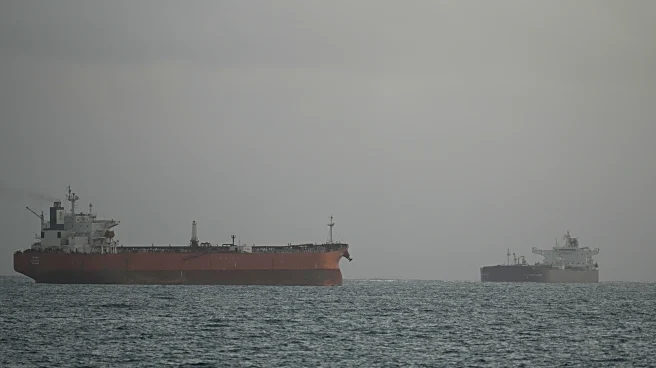
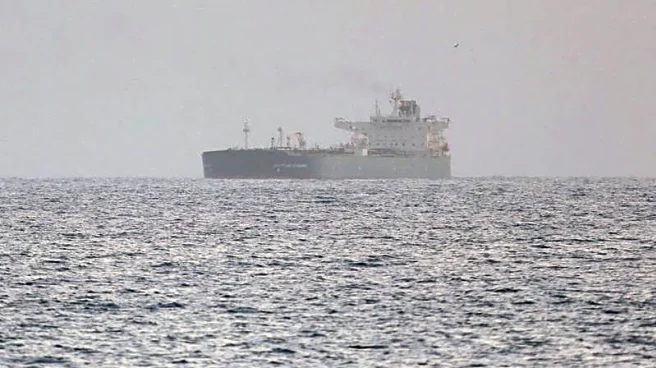
A Russian oil tanker, the Anatoly Kolodkin, has docked at the Cuban port of Matanzas, marking the first oil shipment to the island in three months. This event occurred despite an ongoing U.S. energy blockade, with the administration of President Trump
permitting the vessel's passage. The tanker carried 730,000 barrels of oil, a crucial delivery for Cuba, which is experiencing a severe energy crisis characterized by long blackouts and shortages of food and medicine. The Cuban government, including Energy and Mines Minister Vicente de la O Levy, expressed gratitude to Russia for the support. The shipment is expected to provide enough diesel to meet Cuba's daily demand for nine to ten days. Previously, Cuba relied heavily on oil imports from Venezuela, but these were halted following U.S. actions against Venezuela's leadership. Mexico also ceased oil shipments to Cuba after President Trump threatened tariffs on countries supplying oil to the island.
Why It's Important?
The arrival of the Russian tanker is significant as it highlights the ongoing geopolitical tensions and humanitarian considerations in U.S.-Cuba relations. The U.S. energy blockade is part of broader sanctions aimed at pressuring Cuba to change its policies and governance. However, the decision to allow the Russian tanker suggests a nuanced approach, potentially driven by humanitarian concerns. This development underscores the complex interplay between international sanctions, energy needs, and diplomatic relations. For Cuba, the oil shipment is a temporary relief in its ongoing economic crisis, while for the U.S., it reflects the challenges of balancing sanctions with humanitarian needs.
What's Next?
The U.S. administration has indicated that decisions regarding the allowance of oil shipments to Cuba will be made on a case-by-case basis, considering humanitarian reasons. This suggests potential future shipments could be allowed under similar circumstances. Meanwhile, the U.S. continues to pressure Cuba for policy changes, with ongoing discussions between the two nations. The situation remains fluid, with potential implications for U.S.-Cuba relations and the broader geopolitical landscape involving Russia and other countries affected by U.S. sanctions.