










What's Happening?
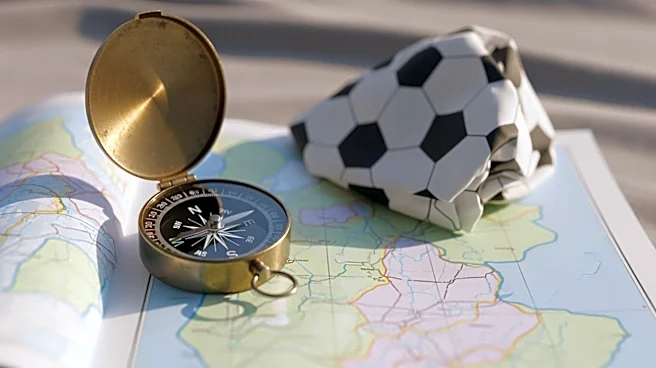
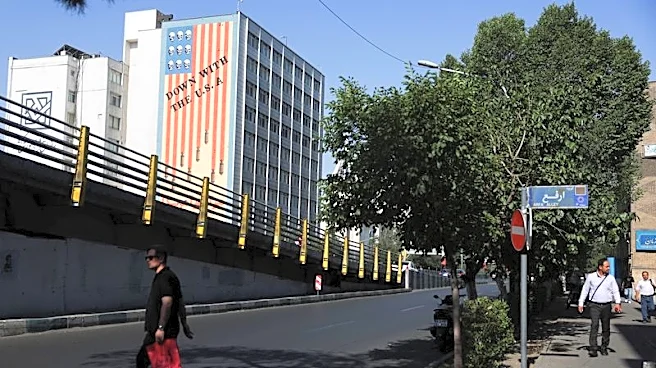
The 2026 World Cup is set against a backdrop of political tension as the United States, one of the host nations, is in an active military conflict with Iran, a participating country. This unprecedented situation has led to logistical challenges, such
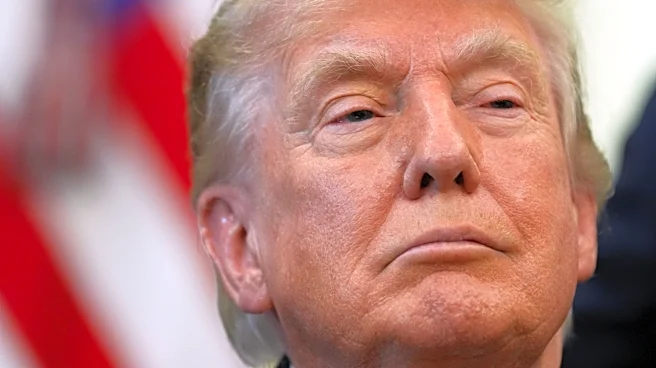
as the relocation of the Iranian team's base from Arizona to Tijuana, Mexico. The U.S. administration has granted visas to Iranian players but not all staff, citing security concerns. President Trump, who recently canceled planned strikes on Iran, has indicated progress towards a peace deal, which could influence the tournament's atmosphere.
Why It's Important?
The intersection of the World Cup and geopolitical tensions underscores the complex relationship between sports and politics. The situation highlights the challenges of hosting international events amid ongoing conflicts, affecting logistics, security, and diplomatic relations. For the U.S., managing this situation is crucial to maintaining its image as a host nation and ensuring the safety and success of the tournament. The outcome of the U.S.-Iran negotiations could impact not only the World Cup but also broader international relations and regional stability.
What's Next?
As the World Cup progresses, the focus will be on how the U.S. and Iran navigate their political differences while participating in the tournament. Continued diplomatic efforts may lead to further de-escalation of tensions, potentially influencing the tournament's proceedings. Stakeholders, including FIFA and international observers, will likely advocate for peaceful resolutions and emphasize the unifying power of sports. The situation may also prompt discussions on the role of sports in fostering diplomacy and international cooperation.