






What's Happening?
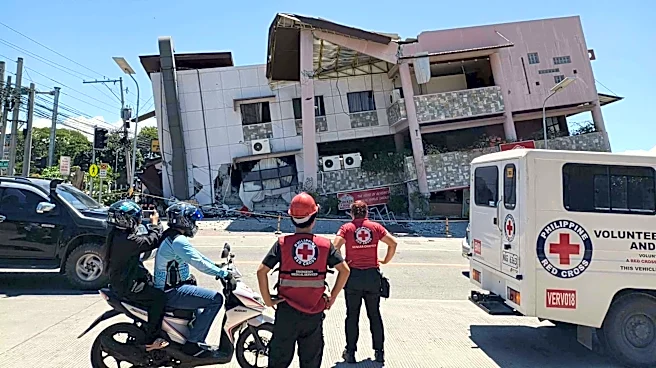
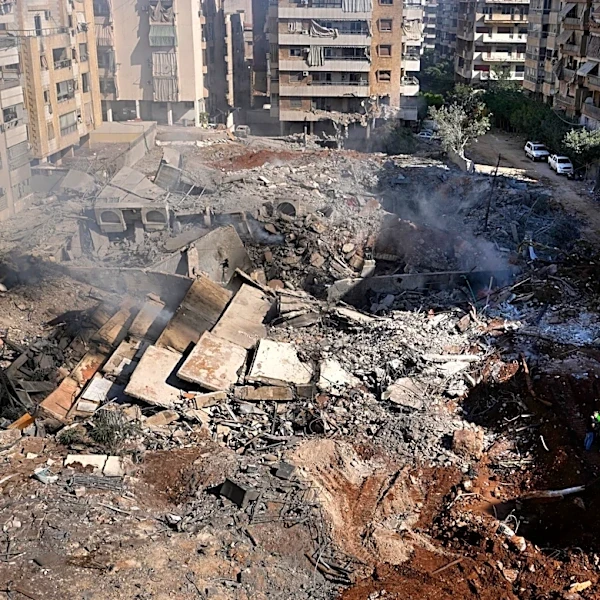
A powerful 7.8-magnitude earthquake struck off the southern Philippine island of Mindanao on June 8, 2026. The earthquake resulted in at least 37 deaths and over 200 injuries, with more than 20,000 people displaced. The tremor was felt strongly across
Mindanao and reached as far as Manado on the Indonesian island of Sulawesi. Initially, tsunami warnings were issued but were later canceled. In response to the disaster, the Philippines mobilized military and disaster response teams to conduct search and rescue operations.
Why It's Important?
The earthquake's impact is significant due to the high number of casualties and the extensive displacement of people. The disaster highlights the vulnerability of the Philippines to seismic activities, given its location on the Pacific Ring of Fire. The mobilization of military and disaster response teams underscores the urgency and scale of the response required to address the immediate needs of the affected population. The event also raises concerns about the preparedness and resilience of infrastructure in earthquake-prone regions, which could have long-term implications for public safety and economic stability.
What's Next?
In the aftermath of the earthquake, the focus will likely be on providing immediate relief to the affected communities, including medical assistance, food, and shelter. The government and international aid organizations may also work on long-term recovery plans to rebuild infrastructure and support displaced populations. Additionally, there may be increased efforts to enhance earthquake preparedness and improve building codes to mitigate future risks. Monitoring aftershocks and assessing the structural integrity of buildings will be crucial in the coming days.