


What's Happening?
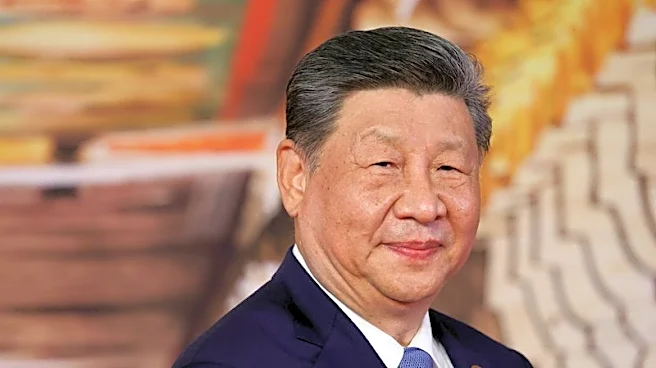
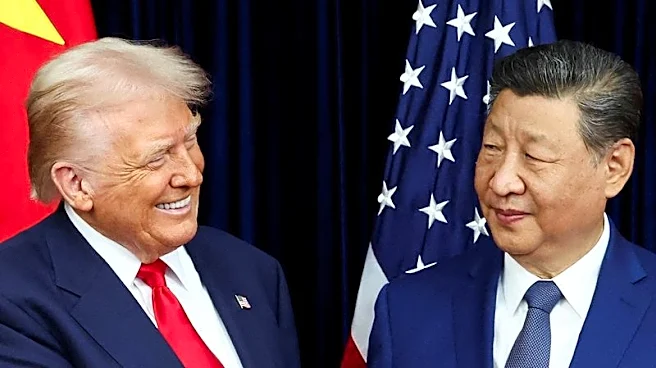
Several prominent figures in U.S. tech and business, including Amazon founder Jeff Bezos, SpaceX and Tesla CEO Elon Musk, and OpenAI CEO Sam Altman, have received invitations to a White House state dinner honoring Chinese leader Xi Jinping. The event,
scheduled for September 24, is described by a senior administration official as the 'hottest ticket in town,' with top political, corporate, and tech leaders vying for a limited number of seats. Other notable invitees include NVIDIA President Jensen Huang, Google CEO Sundar Pichai, Dell Technologies founder Michael Dell, and Citigroup CEO Jane Fraser. Former Apple CEO Tim Cook also secured an invitation. This will be the second state visit hosted by President Trump and First Lady Melania Trump this term, following a visit by King Charles and Queen Camilla in April.
Why It's Important?
The presence of such high-profile U.S. tech and business leaders at a state dinner for Chinese leader Xi Jinping underscores the critical intersection of technology, business, and international diplomacy. This gathering provides a unique opportunity for informal discussions and relationship-building between key players from both nations, especially amidst ongoing tensions regarding technological dominance, particularly in artificial intelligence. For the U.S. tech industry, engaging with Chinese leadership is crucial for market access, supply chain stability, and navigating regulatory landscapes. The dinner could facilitate dialogue on complex issues like trade, intellectual property, and cybersecurity, potentially influencing future policy and business strategies. The event also highlights the significant role that private sector leaders play in international relations, often acting as unofficial ambassadors or negotiators in areas of economic and technological competition.
What's Next?
The state dinner itself will be a closely watched event, with observers looking for any signs of diplomatic breakthroughs or shifts in U.S.-China relations. The informal interactions between U.S. tech executives and Chinese officials could lay the groundwork for future collaborations or address existing disputes. Following the dinner, there may be reports or analyses of the discussions held, and any potential agreements or understandings reached. The visit could also influence upcoming policy decisions in both countries related to technology, trade, and investment. The presence of AI leaders like Sam Altman is particularly significant, given the global competition in artificial intelligence, and their interactions could shape future dialogues on AI governance and development.
Beyond the Headlines
Beyond the immediate diplomatic and business implications, this state dinner highlights the complex and often intertwined nature of global power dynamics, where economic and technological influence are as crucial as traditional political leverage. The invitation of tech titans to such a high-level diplomatic event signifies the growing recognition of their role in shaping international relations and national interests. It also brings to light the ethical considerations surrounding the engagement of U.S. tech companies with a country like China, particularly concerning issues of human rights, data privacy, and censorship. The event could spark broader discussions about the responsibilities of global corporations in navigating geopolitical complexities and the potential for technology to either bridge or widen international divides. It underscores a new era of diplomacy where tech leaders are increasingly at the forefront of international engagement.