





What's Happening?
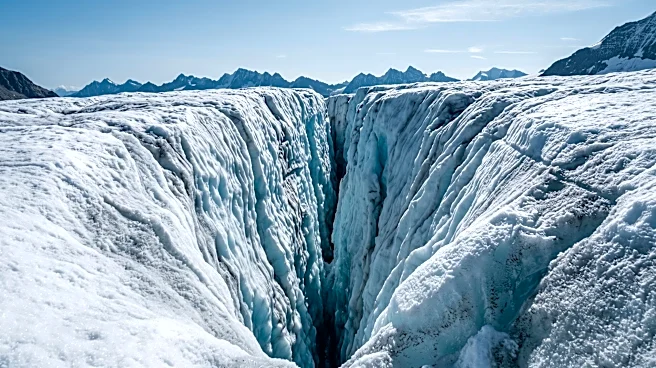
A recent study conducted at a Swiss Level I trauma center, spanning from January 1, 2013, to December 31, 2023, analyzed 28 patients who sustained traumatic injuries from crevasse falls. The research highlights that these injuries are frequently multisystemic
and often accompanied by significant physiological disturbances, necessitating complex multidisciplinary medical intervention. The median Injury Severity Score (ISS) for these patients was 17, with 57.1% meeting the definition of polytrauma (ISS ≥ 16). Surgical intervention was required for 71.4% of patients, and 39.3% needed admission to the Intensive Care Unit (ICU). Accidental hypothermia, defined as a body temperature of ≤35.0°C, was documented in 50% of the patients, either during prehospital care or upon emergency department admission. The study also noted frequent metabolic abnormalities, including elevated lactate levels in over 40% of patients and disturbances in potassium homeostasis. Two patients (7.1%) experienced in-hospital mortality.
Why It's Important?
This study is important because it provides a detailed, hospital-based characterization of severe crevasse fall injuries, a subset of incidents often underrepresented in broader registry data. While the study was conducted in Switzerland, its findings offer critical insights for U.S. medical and rescue teams operating in similar alpine environments, such as those in the Rocky Mountains or Alaska. The high incidence of multisystemic injuries, polytrauma, and hypothermia underscores the need for specialized training and equipment for rescue personnel and trauma centers in regions with glaciated terrain. Understanding these specific injury patterns and physiological challenges can lead to improved prehospital care protocols, more effective in-hospital management strategies, and potentially better patient outcomes. The emphasis on early temperature assessment and thermal management is particularly relevant, as hypothermia significantly complicates trauma and increases mortality and recovery times. For U.S. outdoor enthusiasts and guide services, these findings highlight the inherent risks of glacier travel and the importance of adequate preparation and safety measures.
What's Next?
The findings suggest a need for enhanced awareness and specialized protocols for managing crevasse fall victims, particularly concerning early recognition and treatment of hypothermia and metabolic disturbances. For U.S. search and rescue organizations and medical facilities in mountainous regions, this could translate into updated training programs focusing on advanced trauma life support in cold environments and the specific challenges of multisystemic injuries from falls. Further research, potentially larger multicenter studies, is needed to validate these findings across different geographical contexts and to identify independent predictors of prognosis. This could lead to the development of more refined clinical guidelines and improved patient care pathways. Additionally, the study's insights could inform public safety campaigns aimed at mountaineers and ski tourers, emphasizing the importance of proper gear, route planning, and emergency preparedness when venturing into glaciated areas.
Beyond the Headlines
The study's focus on a referral-based cohort, enriched for high injury severity, reveals a critical gap in understanding the full spectrum of crevasse fall incidents. While many crevasse incidents may result in minor or no injuries, this research highlights the severe, life-threatening consequences for a significant subset of victims. This distinction is crucial for resource allocation and preparedness in trauma systems. The ethical dimension of patient confidentiality in small cohorts, as noted by the researchers, also underscores the challenges of conducting detailed studies in rare but severe accident types. Furthermore, the study implicitly points to the broader societal implications of increasing participation in high-risk outdoor activities. As more individuals engage in ski touring and high-altitude mountaineering, the demand for specialized rescue and medical services will likely grow, necessitating ongoing investment in training, technology, and inter-agency coordination to manage these complex and often multisystemic trauma cases effectively.