







What's Happening?
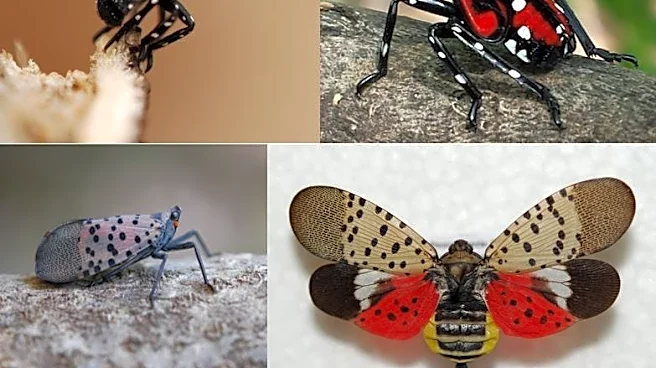
North Carolina agriculture officials are calling on residents to combat the spread of the invasive spotted lanternfly, which has been detected in several counties within the Piedmont Triad region, including Forsyth, Guilford, and Davidson. The spotted lanternfly, first
identified in the U.S. in Pennsylvania in 2014, poses significant risks to crops, plants, and buildings. The insect is particularly threatening to the local grape and wine industries due to its feeding habits, which leave behind a sap that can develop into a black, sooty mold, hindering plant growth. Amy Michael, an entomological programs manager with the North Carolina Department of Agriculture & Consumer Services, noted that the insect likely arrived through interstate travel and has persisted due to the availability of food sources and the presence of the invasive tree of heaven. Residents are advised to look for egg masses and remove them, and to report sightings outside the affected counties to the NCDA&CS.
Why It's Important?
The spread of the spotted lanternfly in North Carolina is a significant concern for the state's agriculture, particularly the grape and wine industries, which are vital to the local economy. The insect's ability to damage crops and plants could lead to substantial economic losses for farmers and businesses reliant on these industries. Additionally, the presence of the insect poses a threat to homeowners due to the potential for property damage from the mold it produces. The call to action by agriculture officials highlights the need for community involvement in managing and mitigating the spread of this invasive species to protect both economic interests and the environment.
What's Next?
Efforts to control the spread of the spotted lanternfly will likely involve increased monitoring and reporting by residents, as well as potential interventions by local agricultural authorities. Residents are encouraged to contact their county extension offices for advice on pesticide use and other management strategies. The success of these efforts will depend on the cooperation of the community and the effectiveness of the recommended control measures. Continued public awareness campaigns and educational initiatives may be necessary to ensure widespread participation in combating the insect's spread.