




What's Happening?
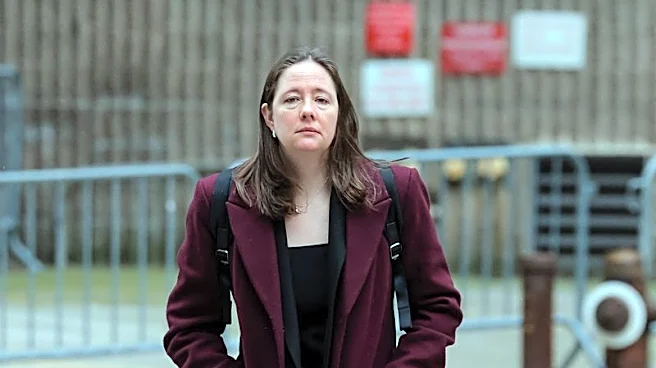
U.S. Rep. Mike Simpson, R-Idaho, has expressed confidence in the bipartisan reauthorization of the Legacy Restoration Fund, which is crucial for ongoing restoration efforts at the Minidoka National Historic Site. The fund, initially passed with bipartisan support,
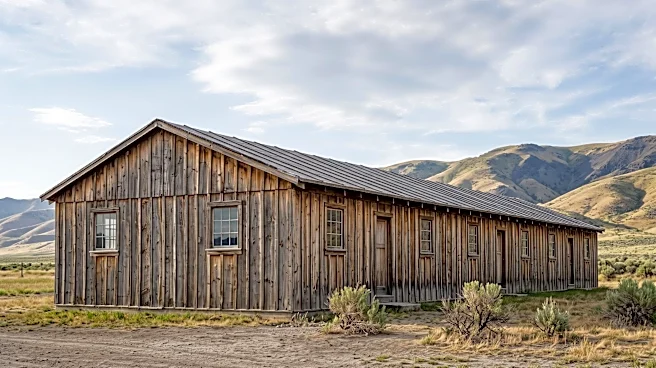
is nearing its sunset date. The Minidoka site, located in southern Idaho, is undergoing significant renovations, including the relocation and refurbishment of an original barracks, the reconstruction of a potato root cellar, and the conversion of the mess hall into a multipurpose center. These projects are partly financed by the Great American Outdoors Act and the Public Land Legacy Restoration Fund, both federal programs designed to provide financial aid to historic sites within national parks. The Friends of Minidoka, a local non-profit, is also developing interactive exhibits to offer a more detailed understanding of life in the internment camp during World War II.
Why It's Important?
The reauthorization of the Legacy Restoration Fund is vital for preserving a significant, albeit somber, part of U.S. history. The Minidoka National Historic Site served as an internment camp for thousands of Japanese Americans during World War II, a period stemming from fears following the Pearl Harbor attacks. Preserving such sites ensures that future generations can learn from past injustices and understand the human impact of discriminatory policies. U.S. Rep. Simpson emphasized that these funds are essential for safeguarding historical structures before they deteriorate, highlighting the relatively young age of U.S. history. The interactive exhibits planned by the Friends of Minidoka aim to make the history more accessible and impactful, fostering a deeper understanding of the events and their implications for American citizens.
What's Next?
The immediate next step involves Congress reauthorizing the Legacy Restoration Fund before it expires. U.S. Rep. Simpson anticipates continued bipartisan support for this reauthorization, mirroring its original passage. Following successful reauthorization, the ongoing restoration projects at Minidoka National Historic Site will continue. The Friends of Minidoka are actively seeking an additional $100,000 in public support to fully fund the new interactive exhibits, with some restorations expected to be completed and open to the public by Spring 2027. The site aims to serve as a symbol and a platform for ongoing dialogue about the implications of such historical policies.
Beyond the Headlines
The preservation of sites like Minidoka National Historic Site carries profound ethical and cultural implications. It serves as a tangible reminder of the fragility of civil liberties and the potential for governmental overreach, even against its own citizens. The efforts to restore and interpret Minidoka contribute to a broader national conversation about historical memory, reconciliation, and the importance of civic education. By making the experiences of Japanese American internees more accessible and understandable, the site challenges contemporary audiences to reflect on issues of identity, belonging, and justice in the U.S. The bipartisan support for the fund underscores a shared recognition of the importance of confronting difficult historical truths for national healing and progress.