






What's Happening?
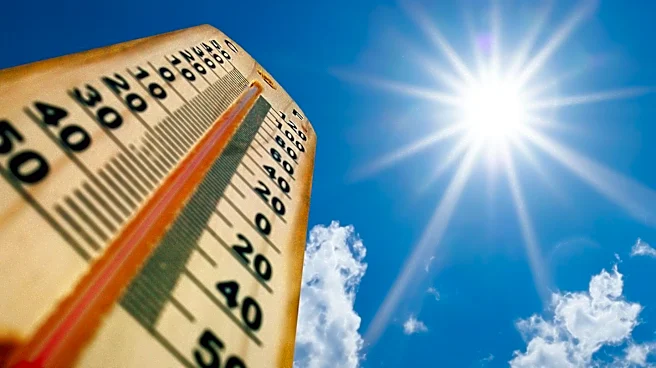
The Centers for Disease Control and Prevention (CDC) has released a set of guidelines to help New Yorkers cope with the anticipated extreme heat. The recommendations include staying hydrated by drinking plenty of water and beverages with electrolytes
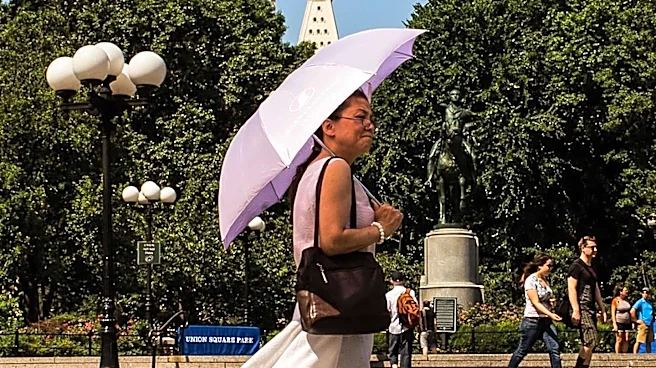
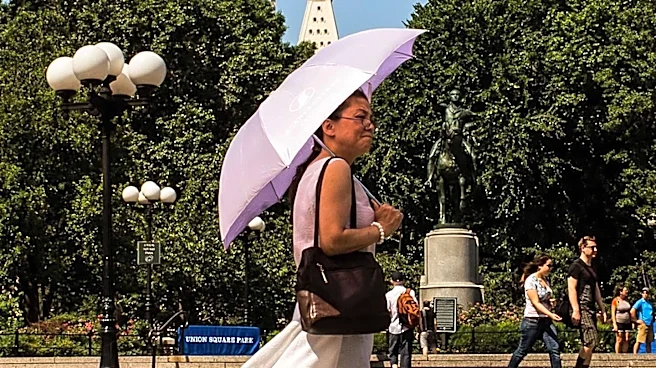
while avoiding alcohol. The CDC advises wearing lightweight, loose-fitting, and light-colored clothing to minimize heat absorption. Sunscreen with an SPF of 15 or higher is recommended to protect against sunburn. Outdoor activities should be planned for cooler parts of the day, such as morning or evening, and individuals are encouraged to rest in shaded areas. The CDC also emphasizes the importance of staying indoors in air-conditioned environments during peak heat hours. For those without air conditioning at home, public spaces like libraries, community centers, or shopping malls are suggested as alternatives. Additionally, the CDC warns against leaving children or pets in parked cars, as temperatures can rise rapidly even with windows cracked open.
Why It's Important?
The guidance from the CDC is crucial as it addresses the health risks associated with extreme heat, which can lead to heat exhaustion or heat stroke. These conditions can be life-threatening, particularly for vulnerable populations such as the elderly, young children, and those with pre-existing health conditions. By following these safety tips, individuals can reduce their risk of heat-related illnesses. The advice also highlights the importance of community resources, such as public air-conditioned spaces, in providing relief during heatwaves. This guidance is part of broader public health efforts to mitigate the impact of climate change, which is expected to increase the frequency and intensity of heatwaves.
What's Next?
As temperatures rise, it is likely that local authorities will continue to monitor the situation and may implement additional measures to protect public health. This could include opening cooling centers or extending the hours of public facilities to provide more options for those seeking relief from the heat. Public health campaigns may also be intensified to ensure widespread awareness of the risks and safety measures associated with extreme heat. Community organizations and local governments may collaborate to provide resources and support to those most at risk.
Beyond the Headlines
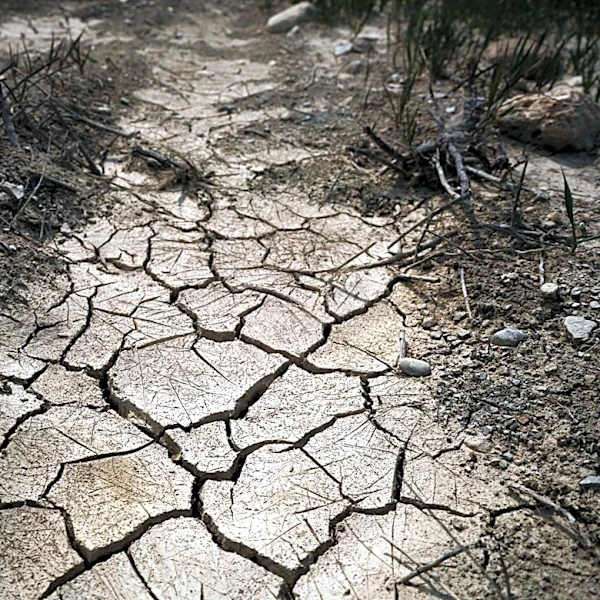
The increasing frequency of extreme heat events underscores the broader issue of climate change and its impact on public health. This situation highlights the need for long-term strategies to adapt to changing climate conditions, including urban planning that incorporates green spaces and infrastructure designed to reduce heat absorption. It also raises questions about energy consumption and the need for sustainable solutions to meet the increased demand for air conditioning during heatwaves.