





What's Happening?
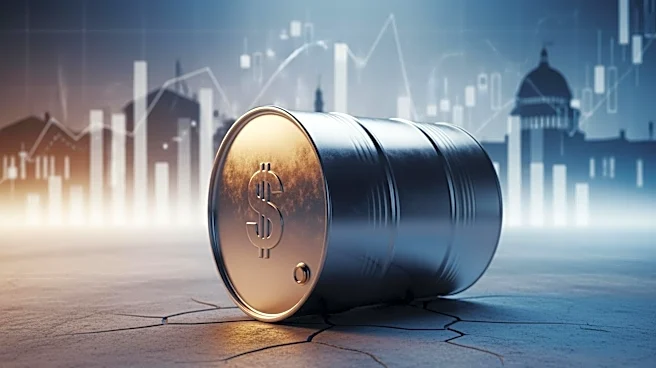
The ongoing conflict with Iran poses a significant threat to the U.S. petrodollar system, which is crucial for maintaining the American-led world order. The petrodollar system, which involves the use of U.S. dollars for oil transactions globally, is considered
America's Achilles' heel. The war's potential to disrupt this system could lead to severe economic consequences, including challenges in supporting Social Security and Medicare at current levels. The destruction of the sanctions regime against Iran and the possibility of Iran becoming a nuclear power are concerning, but the real strategic threat lies in the potential undermining of the petrodollar's supremacy. This situation necessitates a deep understanding of economic and geopolitical history, including the gold standard, currency recycling, and deficit financing.
Why It's Important?
The petrodollar system is integral to the U.S. economy and its global influence. If the system is destabilized, it could lead to a significant shift in the global economic order, affecting U.S. financial stability and its ability to fund essential programs like Social Security and Medicare. The potential weakening of the petrodollar could also impact defense spending, further complicating national security. The broader implications include a possible reevaluation of U.S. economic policies and international relations, as the country may need to adapt to a new economic landscape where its currency is less dominant in global trade.
What's Next?
The U.S. government and financial institutions are likely to closely monitor the situation, assessing the potential impacts on the petrodollar system and exploring strategies to mitigate risks. This may involve diplomatic efforts to stabilize relations with Iran and reinforce the sanctions regime. Additionally, policymakers might consider economic reforms to strengthen the U.S. dollar's position in global markets and ensure the sustainability of key social programs.
Beyond the Headlines
The potential disruption of the petrodollar system could lead to long-term shifts in global economic power dynamics. Countries may seek alternative currencies for oil transactions, reducing reliance on the U.S. dollar and altering international trade patterns. This could also prompt discussions on the future of global currency systems and the role of the U.S. in shaping economic policies worldwide.