



What's Happening?
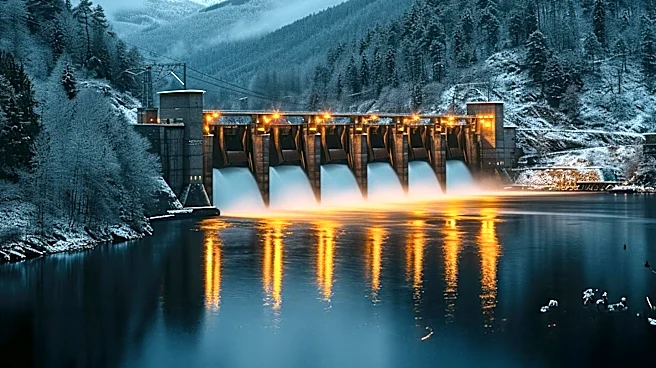
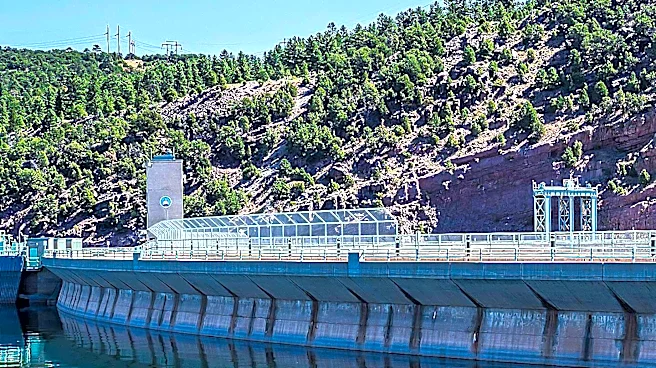
Nearly 400 hydropower facilities across the United States are set to undergo relicensing in the next decade. As part of this process, many operators are considering the installation or upgrade of fish passage technologies. These systems are designed to help
migratory species bypass dams, ensuring their survival and reproduction, which is crucial for replenishing the nation's fisheries. Until recently, there was no comprehensive source of information about existing fish passage facilities in the U.S. Researchers at Oak Ridge National Laboratory, in collaboration with the U.S. Fish and Wildlife Service and other agencies, have created a database and interactive map identifying fish passage facilities in the lower 48 states. This initiative, funded by the U.S. Department of Energy’s Water Power Technologies Office, marks the first comprehensive accounting of such facilities in over 30 years.
Why It's Important?
The development of fish passage technologies is significant for the modernization and environmental sustainability of the U.S. hydropower fleet. By facilitating the movement of fish around dams, these technologies help maintain biodiversity and the health of aquatic ecosystems. This is particularly important as the hydropower industry seeks to modernize and strengthen its infrastructure. The database provides hydropower operators with critical information to streamline the licensing process and make informed decisions about fish passage installations. This effort aligns with broader environmental goals and supports the integration of renewable energy sources, contributing to a more sustainable energy future.
What's Next?
The research team plans to evaluate the performance of various fish passage technologies to determine which designs are most effective. This evaluation will serve as a 'Consumer Reports' for the hydropower industry, guiding future installations and upgrades. The ongoing collection of data, particularly in regions like California and the Mountain West, will continue to enhance the database's comprehensiveness. As more facilities undergo relicensing, the adoption of effective fish passage solutions is expected to increase, further supporting the ecological and operational goals of the hydropower sector.