





What's Happening?
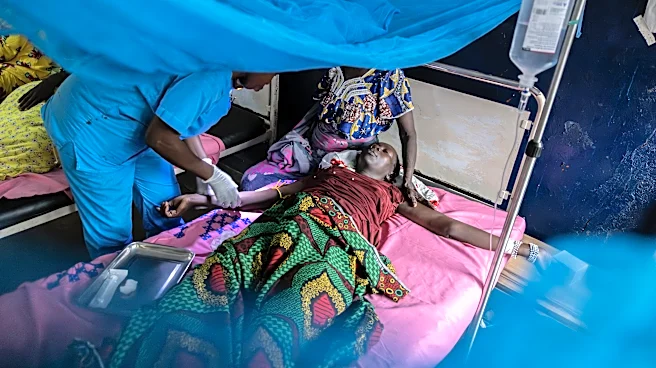
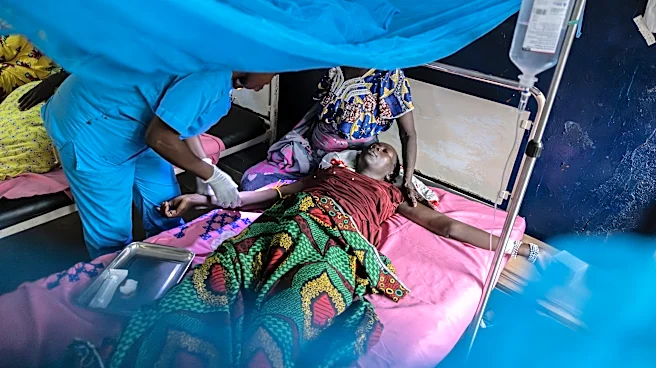
MTN South Sudan has initiated the 2026 edition of its 21 Days of Y’ello Care campaign, focusing on improving maternal and child health services. This campaign, running from June 1 to June 21, is part of MTN's broader effort to address healthcare challenges
in Africa, where there is a significant disparity between the disease burden and available healthcare resources. In collaboration with the Ministry of Health, Juba Teaching Hospital, and the World Health Organisation, MTN South Sudan aims to implement several key initiatives. These include the solarisation of the Antenatal Care Unit at Juba Teaching Hospital, providing sustainable power solutions for incubators, and repairing the hospital's CT scan machine. Additionally, the campaign will supply essential medical equipment such as ultrasound machines and autoclaves. MTN will also leverage digital tools to enhance healthcare delivery, including SMS-based health education and voice messaging for expectant mothers.
Why It's Important?
This initiative is crucial as it addresses significant healthcare access gaps in South Sudan, particularly in rural and underserved communities. By focusing on maternal and child health, the campaign targets some of the most vulnerable populations, aiming to reduce mortality rates and improve overall health outcomes. The use of digital tools and telecom services to disseminate health information can significantly enhance healthcare accessibility and education, empowering communities with the knowledge needed to make informed health decisions. This campaign not only supports immediate healthcare needs but also promotes long-term health awareness and inclusion, potentially leading to sustainable improvements in public health infrastructure.
What's Next?
As the campaign progresses, MTN South Sudan will continue to work closely with healthcare workers, local leaders, and volunteers to tailor interventions to specific community health needs. The introduction of a USSD MoMo donation platform will allow staff and stakeholders to contribute financially to maternal health initiatives, potentially expanding the campaign's reach and impact. The success of this campaign could serve as a model for similar initiatives in other regions, encouraging more organizations to invest in community-led healthcare solutions. The outcomes of this campaign may also influence future healthcare policies and funding priorities in South Sudan and beyond.