





What's Happening?
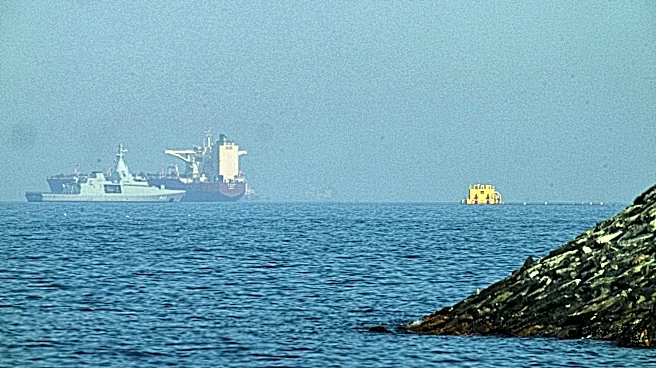
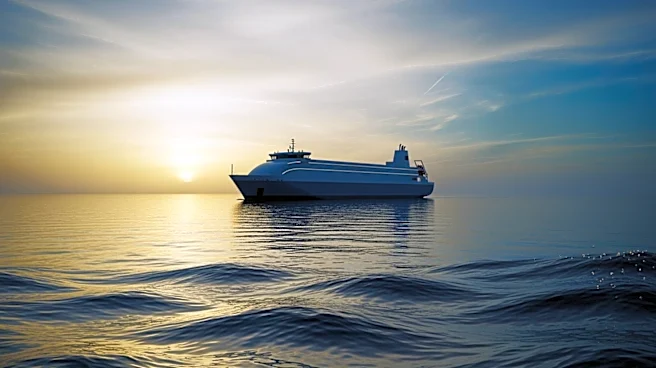
President Trump has announced a new initiative, dubbed 'Project Freedom,' aimed at assisting neutral and civilian ships trapped in the Strait of Hormuz due to ongoing conflicts in the region. The initiative is set to commence on Monday and focuses on ensuring
the safe passage of ships flagged by countries not involved in the Middle Eastern conflict. The President emphasized that this effort is a humanitarian gesture to help countries and companies that are not part of the dispute but have been affected by the closure of the strait. Trump also mentioned that the U.S. is engaged in positive discussions with Iran, which could lead to favorable outcomes. The initiative underscores the U.S.'s commitment to maintaining open and safe navigation routes for international shipping.
Why It's Important?
The Strait of Hormuz is a critical chokepoint for global oil transportation, and its closure has significant implications for international trade and energy markets. By facilitating the movement of neutral ships, the U.S. aims to mitigate disruptions in global supply chains and stabilize oil prices. This initiative also reflects the U.S.'s strategic interest in maintaining influence in the Middle East and ensuring the security of international maritime routes. The potential for positive diplomatic engagement with Iran could further ease tensions and contribute to regional stability. However, any interference with the humanitarian effort could escalate military tensions, highlighting the delicate balance of power in the region.
What's Next?
As 'Project Freedom' begins, the international community will closely monitor the U.S.'s actions and Iran's response. Successful execution of the initiative could pave the way for broader diplomatic negotiations between the U.S. and Iran, potentially leading to a de-escalation of hostilities. Shipping companies and countries with vessels in the region will be keenly interested in the outcome, as it directly affects their operations and economic interests. The U.S. may also face scrutiny from other global powers regarding its unilateral actions in the region, which could influence future geopolitical dynamics.