



What's Happening?
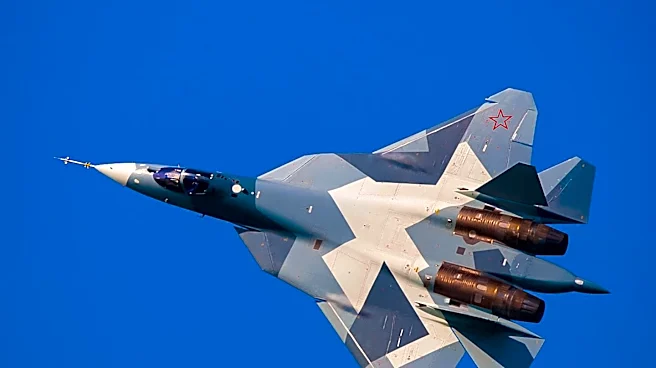
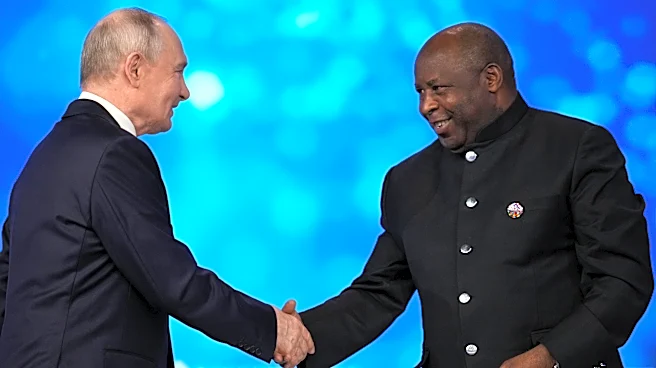
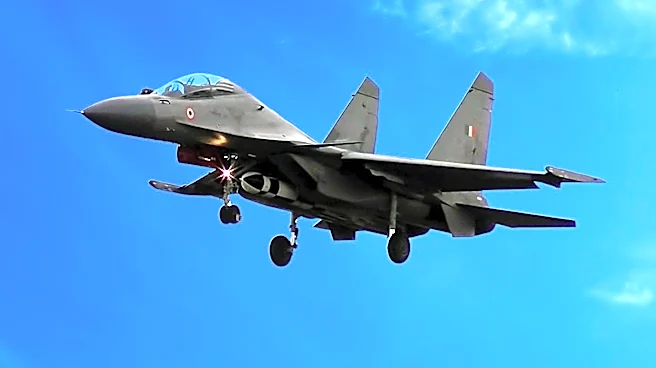
Ethiopian Prime Minister Abiy Ahmed announced that Ethiopia has received 12 Russian Su-35 fighter jets and plans to acquire four S-400 air defense batteries. This announcement was made during his visit to Moscow for the Russia-Africa Summit. The delivery
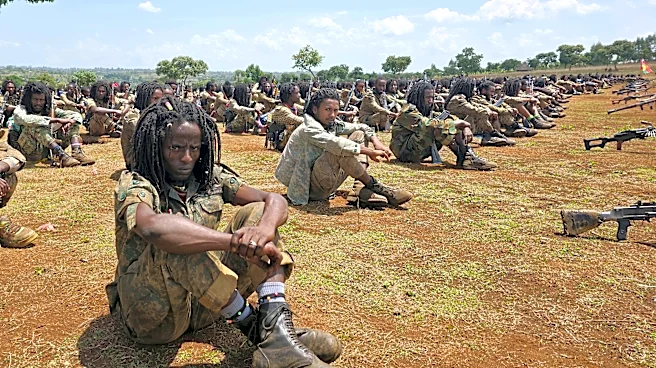
of the Su-35 jets occurred a year ahead of schedule, a development for which Prime Minister Ahmed thanked Russian President Vladimir Putin. This military acquisition comes amidst renewed fighting in Ethiopia's northern Tigray region, where government forces have advanced into the regional capital Mekelle after the Tigray People's Liberation Front (TPLF) withdrew. The TPLF has called for continued resistance and claimed attacks against government-aligned troops. The renewed conflict effectively nullifies a peace agreement signed in Pretoria, South Africa, in November 2022, which had aimed to end two years of fighting. Ethiopia is also battling a separate rebellion by the Fano armed group in the Amhara region and faces escalating tensions with neighboring Eritrea.
Why It's Important?
The acquisition of advanced Russian military hardware by Ethiopia signifies a significant strengthening of its defense capabilities, particularly in air power and air defense. This move is crucial for Ethiopia as it grapples with multiple internal conflicts, including the renewed war in Tigray and the rebellion in Amhara, as well as heightened tensions with Eritrea. The Su-35 fighter jets and S-400 air defense systems are expected to enhance Ethiopia's ability to deter aggression and secure its airspace. For Russia, this deal reinforces its growing military and economic ties with African nations, providing arms revenue and diplomatic influence, especially as it faces Western sanctions. The increased militarization in the Horn of Africa could further destabilize an already volatile region, potentially escalating existing conflicts and creating new security challenges for neighboring countries and international actors with interests in the area.
What's Next?
The immediate future will likely see Ethiopia integrating the new Russian military assets into its defense forces, which could impact the ongoing conflicts in Tigray and Amhara. The TPLF's call for continued resistance suggests that fighting will persist, potentially intensifying as government forces leverage their enhanced capabilities. The delivery of the S-400 air defense systems is still pending, and their arrival could further alter the military balance. The escalating tensions with Eritrea, including the recent severing of diplomatic ties and Ethiopia's demand for sovereign access to the Red Sea, indicate a potential for broader regional conflict. International bodies, such as the United Nations and the African Union, have expressed concern over the renewed hostilities and are calling for a return to dialogue under the Pretoria Agreement, though its effectiveness is now in question.
Beyond the Headlines
This military deal extends beyond immediate conflict resolution, highlighting a broader geopolitical shift where African nations are diversifying their defense partnerships. Ethiopia's move to acquire advanced Russian weaponry underscores a strategic pivot away from exclusive reliance on Western powers, seeking to maximize gains from geopolitical competition. This trend allows countries like Ethiopia to strengthen their armed forces and pursue independent foreign policies, but it also raises concerns about arms proliferation and the potential for proxy conflicts in Africa. The long-term implications include a potential reordering of regional power dynamics, increased competition among global powers for influence in Africa, and the risk of prolonged instability if military solutions are prioritized over diplomatic ones. The human cost of these conflicts, as evidenced by the estimated 500,000 civilian deaths in the previous Tigray war, remains a critical underlying concern.