



What's Happening?
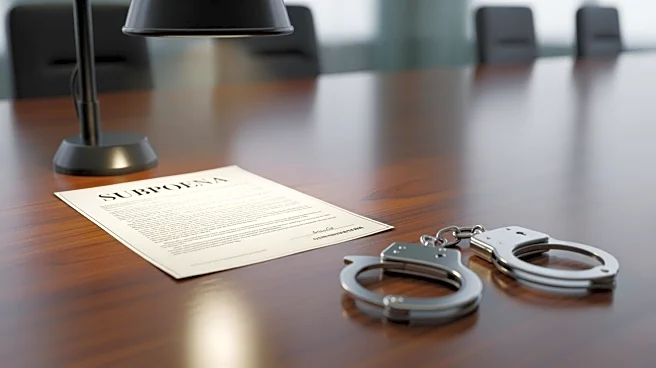
The U.S. Department of Justice (DOJ) has issued subpoenas to several Minnesota officials, including Minneapolis Mayor Jacob Frey, Governor Tim Walz, and Attorney General Keith Ellison, as part of an investigation into alleged obstruction of federal law
enforcement activities. The investigation focuses on the increased operations of U.S. Immigration and Customs Enforcement (ICE) in Minnesota. The DOJ is reportedly using a rarely-invoked federal statute with origins in the Civil War era to pursue this case. This statute was highlighted in a memo by Attorney General Pam Bondi, which outlined legal strategies to target individuals labeled as domestic terrorists. Both Governor Walz and Mayor Frey have publicly opposed the presence of federal agents in Minnesota, especially following the shooting of Renee Good by an ICE officer. They have called for the agents to leave and have urged for peaceful protests. Governor Walz has criticized the DOJ's actions as a 'partisan distraction' and has invited President Trump to witness Minnesota's values firsthand.
Why It's Important?
This development is significant as it highlights the ongoing tensions between state and federal authorities regarding immigration enforcement and public safety. The use of a Civil War-era statute by the DOJ underscores the gravity and unusual nature of the legal approach being taken. The investigation could have implications for how federal and state jurisdictions interact, particularly in politically charged environments. For Minnesota, this situation could affect public trust in both state and federal institutions, as well as influence future policy decisions regarding law enforcement and immigration. The outcome of this investigation may set a precedent for how similar cases are handled across the United States, potentially impacting the balance of power between state and federal governments.
What's Next?
As the investigation unfolds, responses from the involved parties and the broader political community are anticipated. Governor Walz and Mayor Frey are likely to continue their opposition to federal intervention, possibly seeking legal avenues to challenge the subpoenas. The DOJ's actions may prompt other states to reassess their own policies and relationships with federal law enforcement. Additionally, public reaction in Minnesota could influence the political landscape, especially if protests or public demonstrations occur. The situation may also attract national attention, potentially influencing immigration policy debates and federal-state relations in the upcoming election cycles.