


What's Happening?
Wildlife species exhibit remarkable physiological adaptations to survive extreme cold, including hibernation, torpor, brumation, and regional heterothermy. These natural mechanisms allow animals like bears, alligators, and birds to withstand harsh winter
conditions. For instance, alligators can survive beneath ice by poking their noses through to breathe, while ducks maintain core body temperature on ice through regional heterothermy. In contrast, domesticated animals, displaced from their natural habitats, are highly dependent on human protection during severe weather events. The Great Texas Freeze of 2021 resulted in significant losses, including 3.8 million fish and $228 million in livestock, highlighting the vulnerability of non-adapted species and domesticated animals to sudden temperature drops. Manatees, for example, are particularly susceptible to cold stress syndrome, which weakens their immune system and can be fatal if water temperatures fall below 68 degrees Fahrenheit.
Why It's Important?
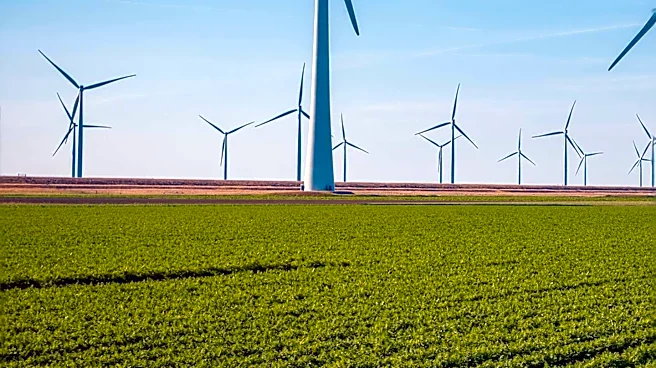
This information is crucial for U.S. stakeholders, particularly in states prone to extreme weather events like Texas, where both wildlife and livestock have suffered significant losses. The economic impact of such events on the agricultural sector, as evidenced by the $228 million in livestock losses during the 2021 Texas freeze, underscores the need for improved preparedness and protective measures for domesticated animals. For wildlife, understanding these adaptations is vital for conservation efforts, especially as climate patterns become more unpredictable. The vulnerability of species like manatees to cold stress highlights the delicate balance of ecosystems and the potential for environmental changes to disrupt natural populations. Furthermore, the research into human applications of these animal adaptations, such as inducing torpor for medical emergencies or space travel, could have profound implications for future human health and exploration, making this a topic of broad scientific and societal interest.
What's Next?
Looking ahead, researchers are exploring how human physiology might benefit from the cold-weather adaptations observed in animals. Medical research is investigating whether inducing a torpor-like state in humans could protect organs during medical emergencies like strokes or cardiac arrest. Additionally, the potential use of induced torpor for long-duration space travel is an active area of study, as it could enable missions that currently exceed the human lifespan. For domesticated animals, the focus will likely remain on improving protective measures and infrastructure to mitigate losses during extreme cold events, guided by state regulations and USDA recommendations. Continued monitoring of wildlife populations and their responses to changing climate conditions will also be essential for conservation strategies.
Beyond the Headlines
The contrast between wildlife's innate adaptations and domesticated animals' reliance on human intervention raises ethical questions about human responsibility towards animals. While wildlife possesses remarkable resilience, human activities, including habitat alteration and climate change, can push even adapted species to their limits. The discussion extends to the broader implications of climate change, where extreme weather events are becoming more frequent and intense, challenging both natural and human-managed systems. The scientific exploration of animal physiological responses also opens doors to bio-inspired solutions for human challenges, blurring the lines between biology, medicine, and engineering. This interdisciplinary approach could lead to breakthroughs in human survival and resilience in extreme environments, both on Earth and beyond.