







What's Happening?
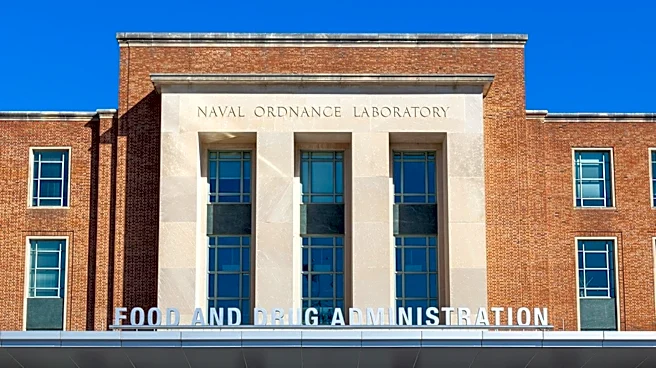
An advisory panel to the Food and Drug Administration (FDA) has recommended easing restrictions on peptide therapies, allowing specialized pharmacies in the U.S. to manufacture these compounds. Despite the FDA scientists' concerns about safety and lack
of large-scale human trials, the panel voted in favor of making these experimental drugs more accessible. Peptides like BPC-157 and TB-500 are popular for their purported benefits in athletic performance and longevity. The decision comes amid a growing unregulated market where Americans are using unvetted substances sourced from overseas. Health Secretary Robert F. Kennedy Jr. has endorsed the move, emphasizing the need for a regulated market to ensure safety.
Why It's Important?
The panel's decision could significantly impact the peptide industry, potentially legitimizing and expanding the market for these compounds. This move may reduce the risks associated with the current unregulated market, where consumers face potential health hazards from untested substances. However, the FDA's scientists have raised concerns about the safety of these peptides, citing risks such as cancer growth and immune responses. The decision reflects a tension between market demand and scientific caution, highlighting the challenges in balancing innovation with public health safety.
What's Next?
The FDA is not obligated to follow the panel's recommendations but typically does. If the FDA decides to lift restrictions, it could lead to increased production and availability of peptide therapies in the U.S. This decision may prompt further scrutiny and debate over the regulation of experimental drugs, especially those with limited scientific backing. Stakeholders, including healthcare providers and consumer safety advocates, will likely continue to monitor the situation closely.