







What's Happening?
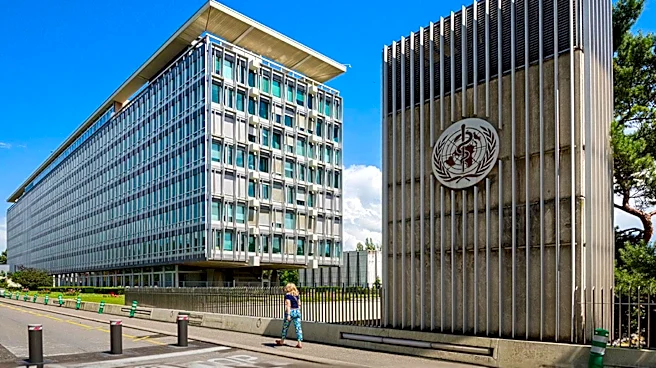
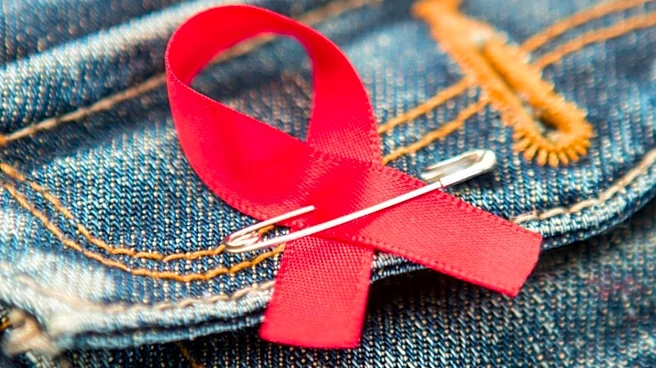
At the Aids 2026 Conference in Rio de Janeiro, experts highlighted the potential of lenacapavir, an injectable HIV prevention drug, to significantly reduce new HIV cases globally. The World Health Organization (WHO) has recommended prioritizing the expansion
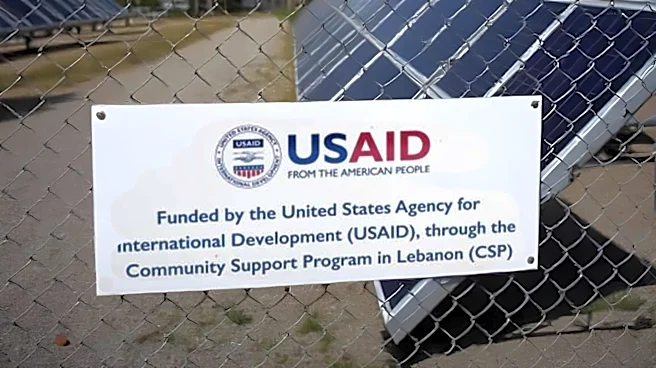
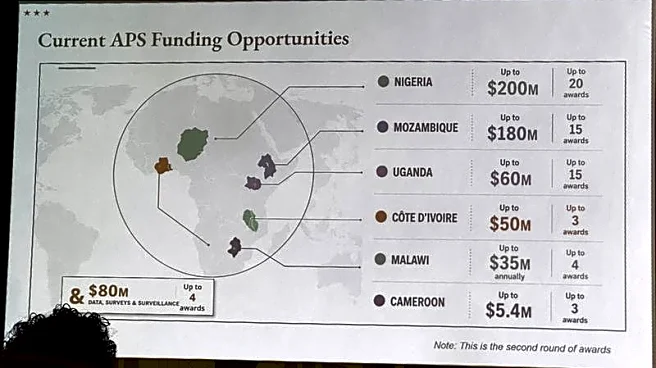
of lenacapavir access due to its effectiveness and the convenience of requiring only two injections annually. However, the dissolution of USAID, which previously provided a substantial portion of global HIV prevention funding, has led to a dramatic decline in investment. This reduction in funding is impacting the availability of the drug and the ability of organizations to reach those in need, particularly in regions facing poverty, stigma, or geographical barriers.
Why It's Important?
The funding cuts pose a significant threat to global HIV prevention efforts, particularly in low- and middle-income countries. Lenacapavir's potential to prevent 41% of new HIV infections in certain African regions underscores its importance. However, without adequate funding, the drug's reach is severely limited, affecting vulnerable populations who rely on these advancements for protection. The cuts also impact outreach services, crucial for engaging high-risk groups such as people who inject drugs. The situation highlights the broader implications of reduced foreign aid on global health initiatives and the challenges in achieving UNAIDS' goal of eliminating AIDS as a public health threat by 2030.
What's Next?
The future of HIV prevention efforts hinges on addressing the funding gap left by USAID's dissolution. Advocacy for increased investment from other international donors and pharmaceutical companies is crucial. Additionally, there is a need for policy changes to ensure that innovative drugs like lenacapavir are accessible to all, regardless of income classification. The global health community must also explore alternative funding mechanisms and partnerships to sustain and expand HIV prevention services. The situation calls for a coordinated response to prevent setbacks in the fight against HIV/AIDS.
Beyond the Headlines
The ethical implications of excluding certain countries from affordable access to HIV prevention drugs due to income classification are significant. This exclusion raises questions about equity and justice in global health. Furthermore, the reliance on foreign aid for critical health interventions highlights the vulnerability of health systems in low- and middle-income countries. The situation underscores the need for sustainable, locally-driven health solutions and the importance of global solidarity in addressing public health challenges.