





What's Happening?
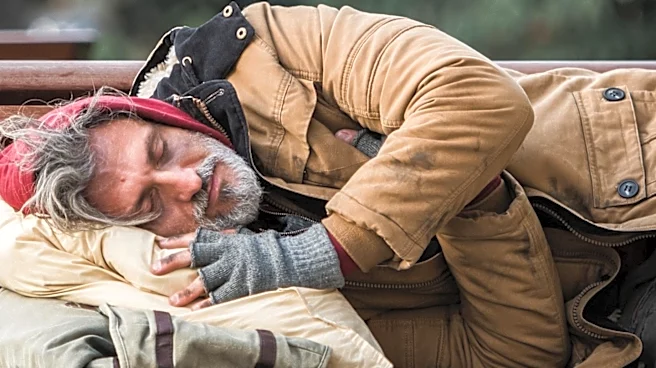
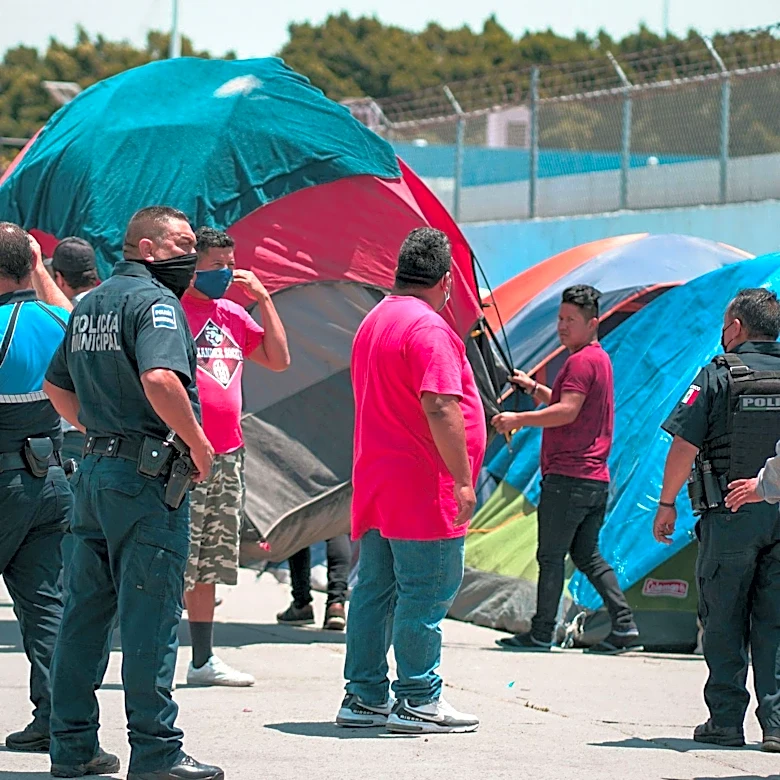
Green Bay police have intensified enforcement actions at St. John's Park in downtown Green Bay to address issues related to homelessness, including large gatherings, disturbances, drug use, and potential human trafficking. This increased police presence
and enforcement of ordinances, such as loitering between 10 p.m. and 6 a.m., have led to a significant reduction in visible homeless individuals and associated debris in the park. According to Green Bay Police Captain Tom Denney, the park has not appeared this clear in five or six years. The police department collaborated with City Hall and homeless outreach specialists to implement these measures. However, the displacement has resulted in homeless individuals moving to other parks, including St. James Park, Jackson Square, and Joannes. Safe Haven Hope Center has called for a halt to these enforcement actions until displaced individuals have a stable plan for housing and support, especially as colder temperatures approach, making it difficult to distribute essential items like blankets and coats if people remain scattered.
Why It's Important?
This situation highlights the ongoing challenge of homelessness in urban areas and the complex interplay between law enforcement, social services, and community well-being. While increased enforcement may address immediate concerns about public order and safety in specific locations, it often merely shifts the problem to other areas without resolving the underlying issues of homelessness. The call from Safe Haven Hope Center underscores the critical need for coordinated, compassionate solutions that prioritize the dignity and stability of individuals experiencing homelessness, rather than simply displacing them. The scattering of individuals makes it harder for outreach programs to provide necessary support and resources, potentially exacerbating their vulnerability, particularly with the onset of colder weather. This approach also raises questions about the effectiveness and ethics of using punitive measures for social issues that require comprehensive social and economic interventions.
What's Next?
The immediate future will likely see continued displacement of homeless individuals across Green Bay's parks as police maintain their enforcement at St. John's Park. Safe Haven Hope Center and other service providers will likely continue to advocate for a more structured and humane approach, urging the City of Green Bay to develop a coordinated plan for shelter and stability before further enforcement actions. As temperatures drop, the urgency for such a plan will increase, potentially leading to more public discourse and pressure on city officials to provide adequate resources and housing solutions. The effectiveness of current outreach efforts may be hampered by the dispersed nature of the homeless population, requiring adjustments in how services are delivered. The city will need to decide whether to continue its current enforcement strategy or to engage more deeply with social service organizations to create sustainable solutions for its homeless population.
Beyond the Headlines
Beyond the immediate concerns of public order and displacement, this situation touches upon broader societal issues regarding how communities address homelessness. The reliance on law enforcement to manage homelessness often reflects a systemic failure to provide sufficient affordable housing, mental health services, and addiction support. The 'out of sight, out of mind' approach, where homeless individuals are simply moved from one public space to another, does not solve the problem but rather marginalizes an already vulnerable population. This can lead to increased distrust between homeless individuals and authorities, making it harder for them to access services. The ethical implications of criminalizing homelessness, particularly when individuals have no alternative shelter, are significant. A long-term solution requires a fundamental shift towards preventative measures, robust social safety nets, and collaborative efforts between government, non-profits, and the community to ensure housing and support for all citizens.