
What's Happening?
Since the start of his second term, President Trump has introduced several initiatives aimed at reducing prescription drug prices in the United States. These efforts include negotiating with pharmaceutical
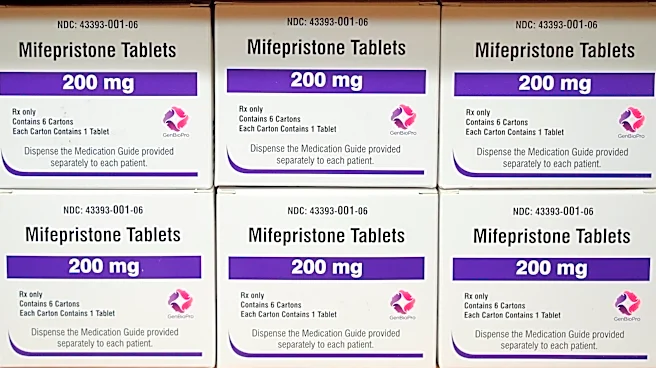
companies to lower prices and launching TrumpRx, a platform offering discounted medications. Despite these measures, the impact on drug prices has been mixed. While some prices have decreased, many others have increased, with nearly 1,000 brand-name drugs experiencing price hikes in early 2026. The Trump administration has also continued a Medicare drug price negotiation program initiated under the Biden administration, which has resulted in significant savings for Medicare enrollees. However, the benefits of these initiatives are limited, with many Americans still facing high drug costs.
Why It's Important?
The cost of prescription drugs is a significant concern for many Americans, with a majority considering prices to be unreasonable. President Trump's initiatives aim to address this issue, but the mixed results highlight the complexities of the pharmaceutical industry. While some consumers benefit from discounted prices through TrumpRx and Medicare negotiations, the overall impact on drug affordability remains limited. The pharmaceutical industry's pricing strategies and patent protections continue to pose challenges to achieving widespread price reductions. The ongoing efforts to negotiate drug prices and introduce biosimilars are crucial steps toward making medications more affordable, but the effectiveness of these measures is still uncertain.
What's Next?
The Trump administration's initiatives are expected to continue, with further negotiations and potential expansions of the TrumpRx platform. The administration's focus on speeding up the approval of biosimilars could increase competition and potentially lower prices. However, the pharmaceutical industry's lobbying efforts and patent protections may hinder these efforts. The administration's ability to navigate these challenges will be critical in determining the future of drug pricing in the U.S. Additionally, the impact of these initiatives on non-Medicare patients remains a key area of concern, as many Americans continue to face high out-of-pocket costs for essential medications.
Beyond the Headlines
The broader implications of President Trump's drug pricing initiatives extend beyond immediate price changes. The focus on negotiating prices and introducing biosimilars reflects a shift toward more aggressive government intervention in the pharmaceutical market. This approach could set a precedent for future administrations and influence global drug pricing strategies. However, the effectiveness of these measures depends on overcoming legal and regulatory barriers, as well as addressing the underlying factors driving high drug prices. The ongoing debate over drug pricing highlights the need for comprehensive policy solutions that balance innovation with affordability.