






What's Happening?
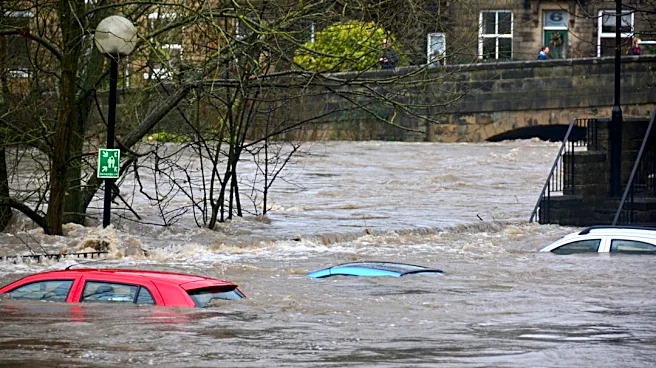
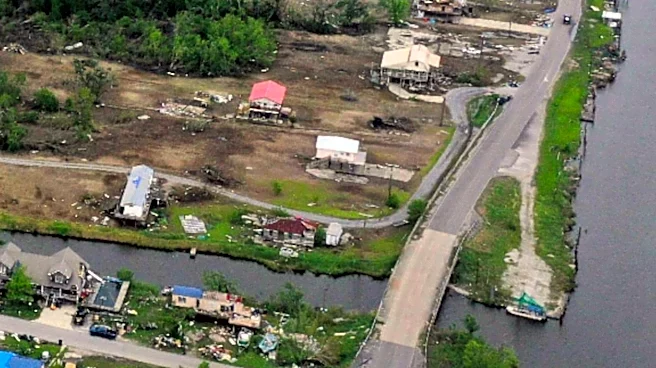
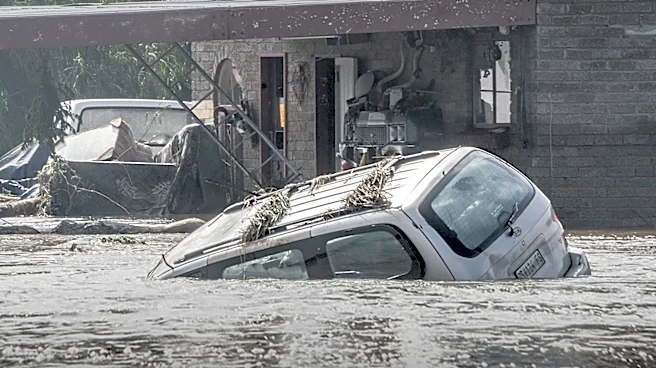
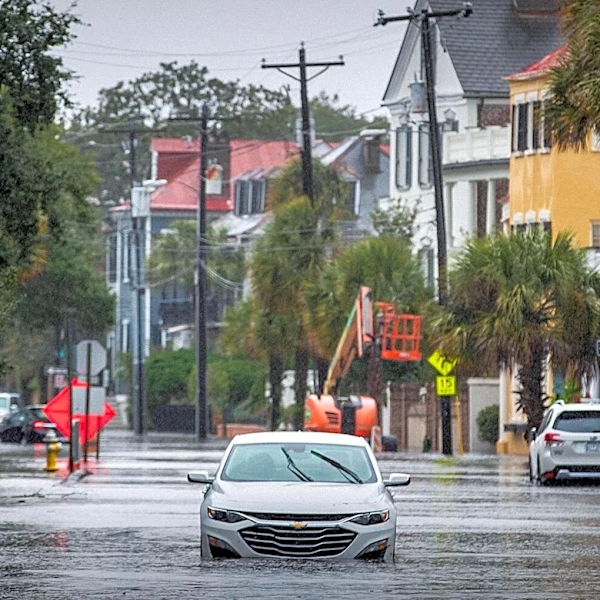
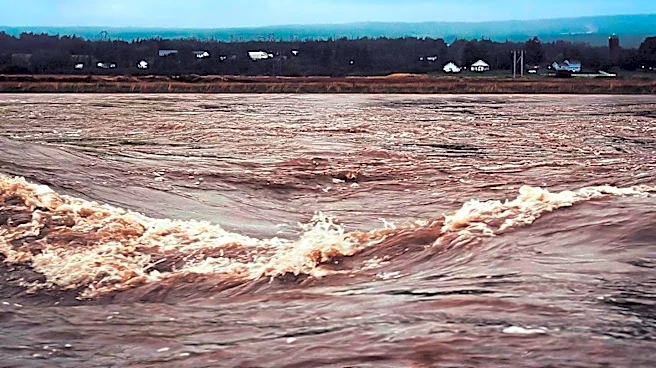
Nebraska Governor Jim Pillen has declared a state of emergency for southeast Nebraska due to heavy rain and severe flooding. The declaration was made on Thursday afternoon as the Governor surveyed affected areas in northern Lancaster County. Record-setting
rainfall on Wednesday led to widespread flooded roadways and necessitated multiple rescues of stranded motorists. Lancaster County Engineer Pam Dingman noted that the storm could have long-term impacts on county infrastructure, including bridges and the pipe culvert system. Governor Pillen urged caution around flooded areas and damaged infrastructure, expressing gratitude for first responders and road crews working tirelessly. Damage assessments are ongoing, and specific affected counties will be identified later.
Why It's Important?
The emergency declaration is crucial as it unlocks state resources for recovery efforts and mandates support from state and federal agencies for the Nebraska Emergency Management Agency (NEMA) and the state's adjutant general. This coordinated response is vital for addressing the immediate aftermath of the flooding and mitigating its long-term consequences on infrastructure and public safety. The involvement of NEMA, the Nebraska National Guard, and representatives from Lancaster County and the Lower Platte South Natural Resource District underscores the severity of the situation and the need for a multi-agency approach. The ongoing damage assessments will determine the extent of federal assistance available, which is critical for the region's recovery, especially given that Nebraska has already been navigating federal assistance for wildfires and storms earlier in the year.
What's Next?
Damage assessments are currently underway, and the governor's office will identify the specifically affected counties once these evaluations are complete. NEMA is collaborating with federal agencies, including the Federal Emergency Management Agency (FEMA), the Small Business Administration (SBA), and the Natural Resources Conservation Service (NRCS), to allocate resources. This collaborative effort will determine the level and type of assistance available for recovery. The state will continue to monitor the situation, and residents are advised to exercise extreme caution around flooded areas and damaged infrastructure. The focus will be on restoring damaged infrastructure and supporting affected communities as the full scope of the damage becomes clear.
Beyond the Headlines
The recurring need for federal assistance in Nebraska, following both wildfires and now severe flooding, highlights the increasing vulnerability of certain regions to extreme weather events. This situation underscores broader discussions about climate resilience, infrastructure investment, and the effectiveness of disaster preparedness and response mechanisms at both state and federal levels. The long-term impact on county infrastructure, as noted by the Lancaster County Engineer, suggests that communities may face ongoing challenges in maintaining and upgrading critical systems to withstand future events. This could lead to policy discussions regarding sustainable infrastructure development and enhanced funding for preventative measures against natural disasters, potentially influencing future state and federal budgetary allocations for disaster mitigation.