




What's Happening?
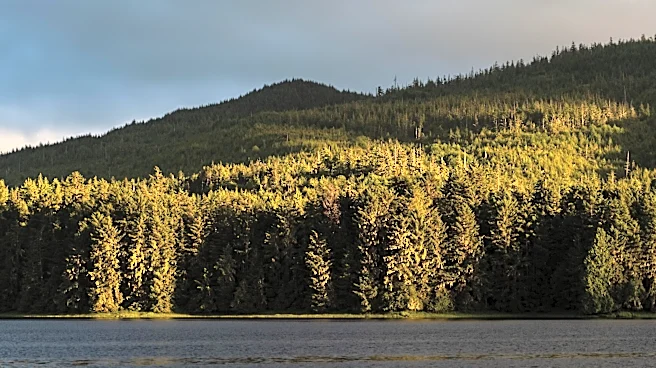
A 105-acre forested tract in Greenbelt, Maryland, informally known as the 'Hundred Acre Wood,' has been officially protected from development. NASA transferred the property to the U.S. Fish and Wildlife Service during a signing ceremony in July. This
land, formerly used for testing rocket fuels near NASA’s Goddard Space Flight Center, will now be managed as part of the adjoining Patuxent Research Reserve, a publicly accessible national wildlife refuge. The site, formally called Area 400, was declared 'underutilized' by the federal Public Buildings Reform Board in 2021, which initially proposed its sale. However, under pressure from conservationists, the Biden administration rejected the sale, citing the need for additional information. The interagency transfer became effective on February 23 of this year, with NASA subsequently demolishing buildings, roads, and utilities on the property. The Patuxent Research Reserve, now encompassing nearly 13,000 acres, is the largest unfragmented woodland between Washington and Baltimore and is dedicated to wildlife research.
Why It's Important?
This land transfer is significant for environmental conservation in the U.S., particularly in the densely populated corridor between Washington and Baltimore. The protection of the 'Hundred Acre Wood' prevents further urban sprawl and preserves a vital natural habitat. U.S. Fish and Wildlife Service director Brian Nesvik emphasized that such collaborations conserve America’s natural beauty and expand outdoor recreation opportunities for future generations. The Patuxent Research Reserve, as the nation's only wildlife refuge singularly dedicated to supporting wildlife research, gains a valuable addition, enhancing its capacity for ecological study and preservation. This move also highlights the impact of conservationist efforts and administrative decisions in prioritizing environmental protection over potential commercial development of federal lands, setting a precedent for similar cases nationwide.
What's Next?
The newly acquired 105-acre tract will be integrated into the Patuxent Research Reserve, expanding its managed area and enhancing its role as a wildlife refuge and research facility. The U.S. Fish and Wildlife Service will oversee the ecological management of the 'Hundred Acre Wood,' ensuring its continued preservation and accessibility for public recreation where appropriate. Future activities will likely focus on habitat restoration, wildlife monitoring, and educational programs, aligning with the reserve's mission. This successful transfer may also encourage similar interagency collaborations for the conservation of other federal properties deemed 'underutilized,' potentially leading to more protected natural spaces across the country. The precedent set by the Biden administration's rejection of the initial sale could influence future decisions regarding federal land management.
Beyond the Headlines
The preservation of the 'Hundred Acre Wood' transcends its immediate environmental benefits, touching upon broader themes of public land stewardship and the balance between development and conservation. The initial proposal to sell the land at 'fair market value' underscores an ongoing debate about the economic valuation of natural resources versus their ecological and societal worth. The successful intervention by conservationists and the Biden administration highlights the growing public and political will to protect green spaces, even those with a history of industrial use. This event also reinforces the cultural significance of natural areas, as evidenced by the affectionate nickname 'Hundred Acre Wood,' which evokes a sense of wonder and connection to nature. It serves as a reminder that even seemingly small tracts of land can hold immense value for biodiversity, scientific research, and human well-being.