





What's Happening?
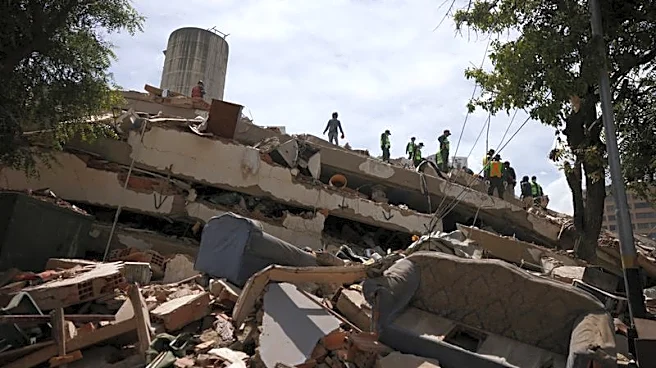
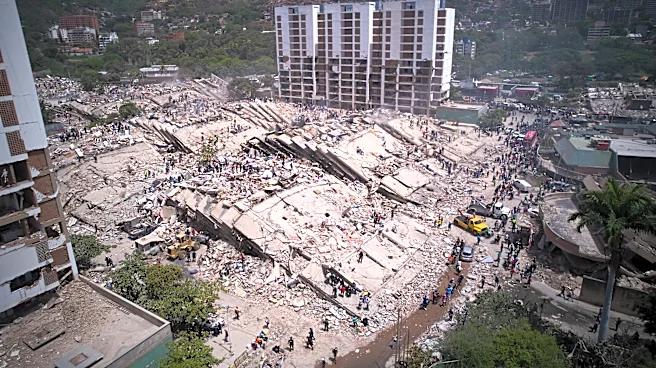
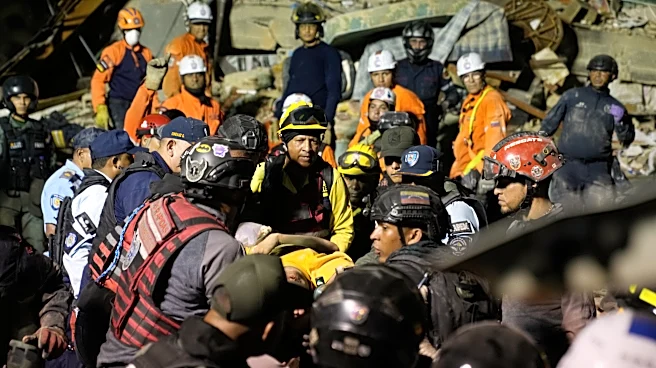
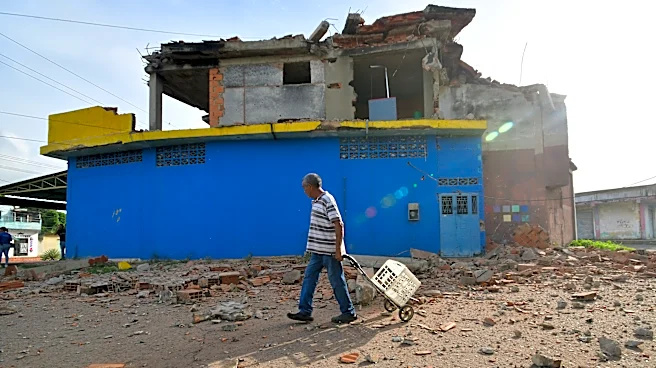
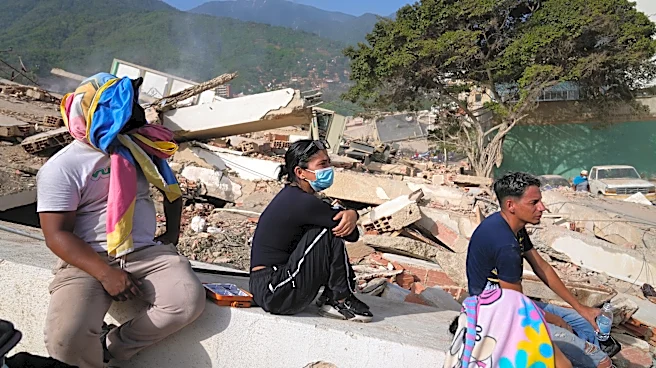
Venezuela is grappling with the aftermath of two devastating earthquakes that struck the Caribbean coast, resulting in a death toll of at least 1,450. The hardest-hit area, La Guaira, saw significant destruction with over 770 buildings either totally
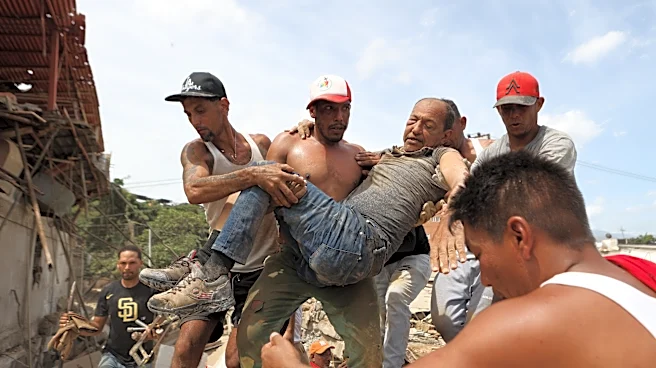
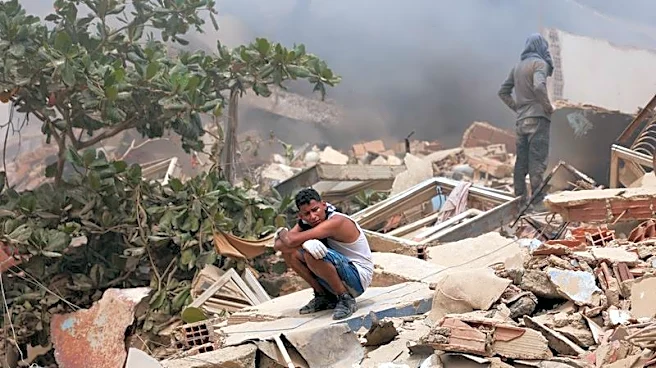
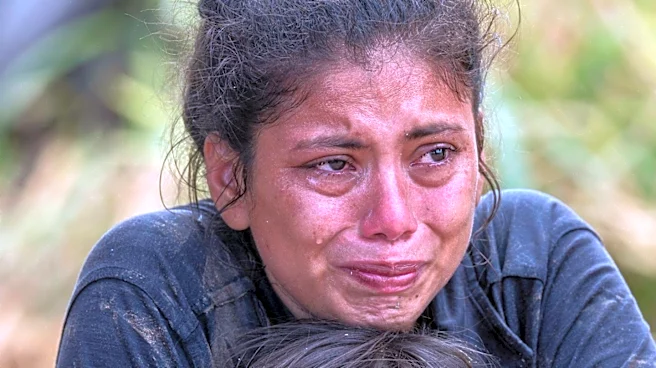
or partially destroyed. Rescue operations are ongoing as teams search for survivors amidst the rubble. The government, led by acting leader Delcy Rodríguez, has faced criticism for its response, which many Venezuelans consider inadequate. The mortuary in Caracas is overwhelmed with bodies, and families are struggling to identify their loved ones. International aid is being mobilized to assist the affected population, but the scale of the disaster has exposed the country's lack of preparedness and resources.
Why It's Important?
The earthquakes have highlighted the vulnerabilities in Venezuela's infrastructure and emergency response capabilities. The criticism of the government's handling of the crisis underscores the ongoing political and economic challenges facing the country. The disaster has exacerbated existing tensions and could lead to increased scrutiny of the government's ability to manage national emergencies. The international community's involvement, including aid and rescue efforts, reflects the global concern for Venezuela's humanitarian situation. The response to this disaster could influence future political dynamics and the government's relationship with both domestic and international stakeholders.
What's Next?
As rescue operations continue, the focus will be on providing immediate relief to the affected population and addressing the long-term rebuilding needs. The government may face increased pressure to improve its disaster preparedness and response strategies. International aid and support will be crucial in the coming weeks, and the effectiveness of these efforts could impact Venezuela's recovery trajectory. The political implications of the government's response could also play a role in shaping future leadership and policy decisions.
Beyond the Headlines
The earthquakes have brought to light the broader issues of infrastructure decay and underinvestment in public services in Venezuela. The disaster may prompt discussions on the need for comprehensive reforms to strengthen the country's resilience to natural disasters. Additionally, the role of civil society and volunteer efforts in the immediate aftermath highlights the potential for grassroots mobilization in addressing national challenges. The situation also raises questions about the ethical responsibilities of the government and international community in providing timely and effective aid.