




What's Happening?
The 9th Paris Peace Forum concluded its annual meeting, bringing together 3,500 participants from 98 nationalities to discuss global challenges and solutions. The forum's theme, "From Sovereignty to Cooperation," underscored the necessity of international
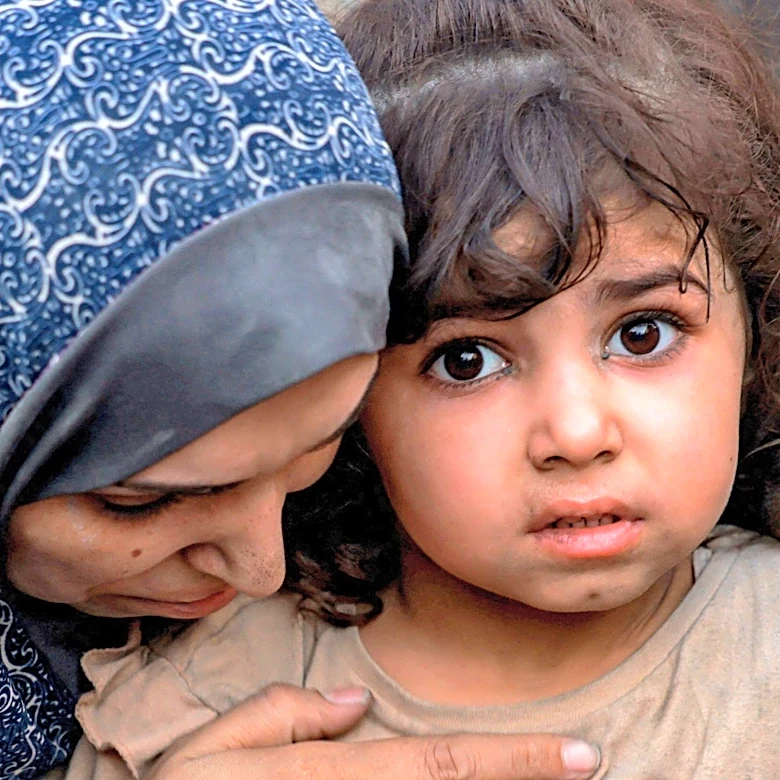
collaboration amidst growing strain on multilateral institutions. Discussions spanned geopolitics, human rights, development, climate, artificial intelligence, and cybersecurity. A significant highlight was the landmark Child Summit, which launched three initiatives aimed at transforming commitments into coordinated actions for children's rights and well-being. These initiatives include the Children First Declaration, signed by over 50 countries and numerous organizations, the Action Hub for Children to make child well-being a corporate priority, and the Child Priority Framework, which places child health, education, nutrition, protection, and psychosocial well-being at the center of global development efforts. The forum also announced 10 Scale-Up projects for 2027, focusing on diverse global issues from solar energy to ocean cleanup.
Why It's Important?
The Paris Peace Forum serves as a critical platform for global dialogue and cooperation, particularly in an era marked by geopolitical fragmentation and complex transnational issues. Its emphasis on "From Sovereignty to Cooperation" highlights a growing recognition among international leaders that national interests are increasingly intertwined with global stability and collective action. The focus on children's rights through the Child Summit is particularly significant, as it aims to elevate the well-being of children as a central tenet of international policy and corporate responsibility. By fostering multi-stakeholder platforms and frameworks, the forum seeks to translate high-level commitments into tangible actions, potentially influencing national policies and corporate strategies worldwide. The Scale-Up projects demonstrate a commitment to practical, on-the-ground solutions for pressing global challenges, offering models for sustainable development and international collaboration.
What's Next?
Following the 9th Paris Peace Forum, the initiatives launched during the Child Summit, including the Children First Declaration, the Action Hub for Children, and the Child Priority Framework, will move into implementation phases. Participating countries, international organizations, NGOs, philanthropies, and businesses are expected to integrate these commitments into their respective policies and programs. The 10 Scale-Up projects selected for support in 2027 will commence their work, with the forum likely monitoring their progress and impact. Future forums will likely continue to build on the themes of cooperation and multilateralism, with ongoing discussions on how to strengthen international law and institutions. The forum's continued work on artificial intelligence and cybersecurity suggests further initiatives aimed at ensuring technology serves the public interest will be a focus in upcoming events and discussions.
Beyond the Headlines
The Paris Peace Forum's consistent theme of balancing national sovereignty with international cooperation reflects a deeper global struggle to adapt traditional state-centric models to an increasingly interconnected world. The forum's efforts to integrate diverse stakeholders—governments, businesses, civil society, and academia—underscore a shift towards more inclusive governance models for global challenges. The prominent role given to children's rights signals a potential long-term reorientation of global priorities, recognizing that investing in the next generation is fundamental to sustainable peace and development. This approach challenges conventional geopolitical narratives by emphasizing shared human values and collective responsibility, potentially fostering a more empathetic and enduring framework for international relations beyond immediate political or economic interests. The forum's continued focus on emerging technologies also highlights the ethical and governance dilemmas posed by rapid technological advancement.