





What's Happening?
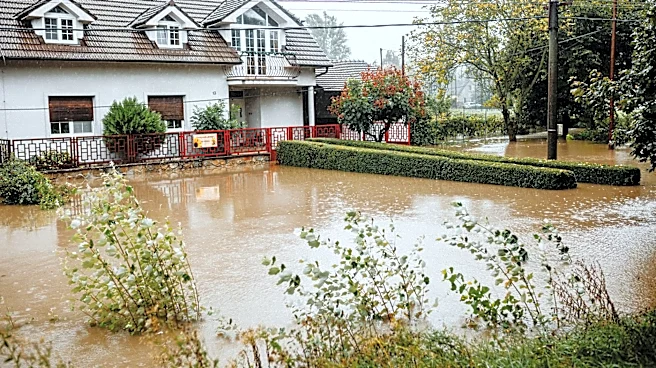
Standard homeowners' insurance policies in the United States do not cover flood damage, according to the National Association of Insurance Commissioners (NAIC). This means that damage from rising water due to storm surges, overflowing rivers, or heavy
rainfall is typically excluded. To obtain coverage for flood-related incidents, a separate flood insurance policy is required. Despite flooding being the most common and costly natural disaster in the U.S., causing billions in economic losses annually, only about 4% of homeowners carry flood insurance, as reported by FEMA’s National Flood Insurance Program (NFIP). This leaves a significant majority financially vulnerable to floodwaters. NFIP flood insurance policies also come with a mandatory 30-day waiting period, meaning coverage does not activate immediately upon purchase. This critical rule emphasizes the need for homeowners to secure policies well in advance of storm seasons, as purchasing coverage just before a storm will not result in active protection.
Why It's Important?
The widespread lack of flood insurance among U.S. homeowners presents a substantial financial risk to individuals and the national economy. With only 4% of homeowners insured against floods, billions of dollars in potential losses from the most common natural disaster are uninsured. This gap in coverage can lead to devastating financial consequences for affected families, forcing them to bear the full cost of repairs and rebuilding. The mandatory 30-day waiting period for NFIP policies further complicates matters, as it prevents homeowners from obtaining last-minute coverage when a storm is imminent. This highlights a critical public awareness issue, as many homeowners only seek flood insurance when severe weather is already on the forecast, by which point it is too late for immediate protection. The financial burden of uninsured flood damage can also strain local and federal disaster relief efforts, as government aid often becomes the primary recourse for recovery in the absence of private insurance.
What's Next?
Homeowners are urged to proactively assess their flood risk and consider purchasing flood insurance well before storm season. Insurance specialists can help individuals understand their specific policy needs and identify any coverage gaps. The distinction between NFIP and private flood insurance options is also important, as private insurers may offer higher limits, broader coverage, and potentially shorter waiting periods, though terms vary. FEMA’s updated Risk Rating 2.0 methodology, introduced in October 2021, now prices NFIP policies based on individual property flood risk, which may lead to varying premium changes for homeowners. Even properties outside designated high-risk flood zones are encouraged to consider flood insurance, as over 20% of NFIP flood claims originate from these areas, demonstrating that flood risk extends beyond traditional flood maps.
Beyond the Headlines
The low rate of flood insurance adoption in the U.S. points to a broader societal challenge in risk perception and preparedness for climate-related disasters. The disconnect between the high frequency and cost of flooding and the low insurance penetration suggests a potential underestimation of risk by homeowners or a lack of understanding regarding insurance coverage limitations. This issue has significant implications for long-term community resilience and economic stability, particularly as climate change is projected to increase the frequency and intensity of extreme weather events. The reliance on post-disaster government aid rather than pre-emptive insurance coverage can create a moral hazard and place a greater burden on taxpayers. Addressing this requires not only increased awareness campaigns but also potential policy interventions to incentivize or mandate flood insurance, especially in areas with growing flood risks, to shift the financial burden from public funds to private risk management.