
What's Happening?
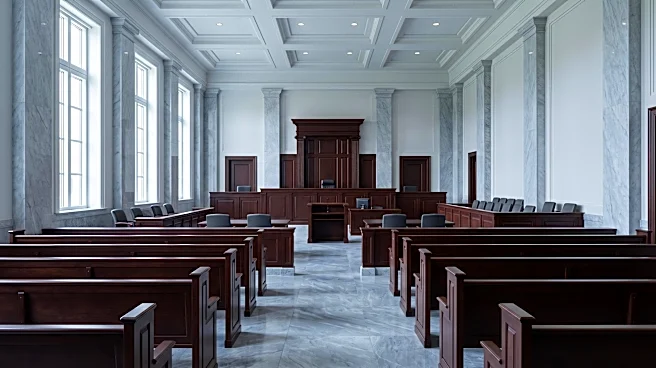
The Kennedy Center is set to close most of its facilities for renovations following a board vote to proceed with the shutdown. This decision comes after a federal judge, U.S. District Judge Christopher
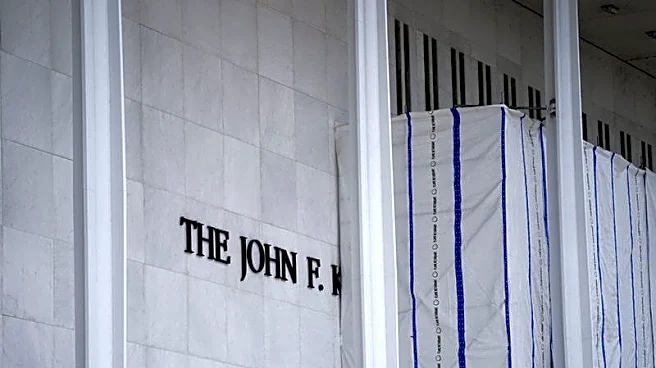
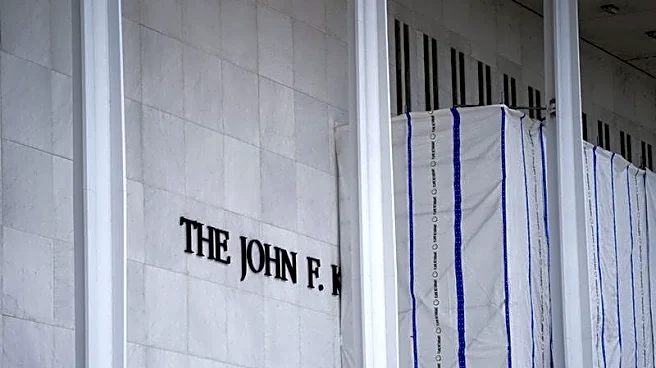
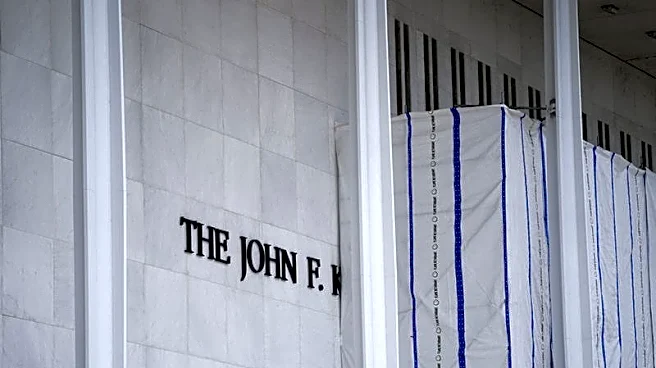
Cooper, once again blocked efforts to restore President Trump's name to the building. The Justice Department has appealed this ruling. President Trump, who was appointed chairman of the Kennedy Center last year by allies on the board, stated that the closure is necessary for safety repairs, which Congress has already funded with $257 million. He argues that the renovation work would only move forward if his name could be re-added to the building, a condition that federal judges have twice ruled requires congressional approval. Lawyers have warned that without these renovations, the venue could deteriorate into an "unsafe, decrepit structure" that might necessitate demolition. A partial ceiling collapse in the main hallway earlier this month underscored the urgent need for repairs. The board had previously voted in August to inscribe President Trump's name on the facade, reading, "The John F. Kennedy Center for the Performing Arts Restored and Renovated By President Donald J. Trump," and to rename the plaza in his honor if a fund reached $100 million. Judge Cooper had ruled in May that the initial addition of President Trump's name was illegal, leading to its removal in June, though a tarp and scaffolding remained.
Why It's Important?
This ongoing dispute has significant implications for the future of the Kennedy Center, a prominent U.S. cultural institution. The legal battle over President Trump's name is delaying critical renovations, potentially jeopardizing the structural integrity of the 1965-built facility. The administration's suggestion that the building could face demolition if President Trump is not formally recognized highlights a contentious intersection of politics, cultural preservation, and federal funding. The situation also underscores the broader challenges faced by national institutions when political figures seek to leave a personal mark, especially when such actions conflict with established legal and congressional protocols. The potential loss or significant alteration of the Kennedy Center would represent a substantial blow to the nation's cultural landscape, impacting artists, performers, and the public who rely on it as a hub for the performing arts. Furthermore, the controversy could set a precedent for how future renovations and naming rights are handled in federally funded cultural institutions, potentially leading to more politicized decision-making processes.
What's Next?
The Justice Department's appeal of Judge Cooper's ruling means the legal battle over President Trump's name at the Kennedy Center will continue. The immediate future involves the closure of most of the facility for renovations, though the extent and duration of these repairs remain uncertain given the ongoing dispute. The administration has indicated that the renovation work is contingent on President Trump's name being restored, a condition that has been legally challenged. This suggests a potential stalemate where necessary repairs could be delayed further if a resolution is not reached. Stakeholders, including political leaders, cultural preservation groups, and the public, will likely continue to monitor the situation closely. The outcome of the appeal and any subsequent legal or legislative actions will determine whether the Kennedy Center can proceed with its much-needed renovations without further political entanglement, or if it faces the dire prospect of continued deterioration or even demolition, as suggested by government lawyers.
Beyond the Headlines
The conflict surrounding the Kennedy Center extends beyond mere naming rights; it delves into fundamental questions about the stewardship of national cultural assets and the appropriate influence of political figures on such institutions. President Trump's insistence on physical recognition, described as being in line with his real estate branding style, has alienated some long-time supporters and has been deemed a violation of federal law. This situation highlights a broader pattern of President Trump's efforts to reshape Washington's landscape, including the demolition of the White House East Wing for a ballroom and plans for a triumphal arch and renovated golf course. The ethical implications of tying essential structural repairs to the personal recognition of a political figure raise concerns about the politicization of public infrastructure and cultural heritage. The debate also touches upon the balance of power between the executive branch, the judiciary, and Congress in overseeing national institutions, and the potential for political agendas to overshadow the preservation and accessibility of cultural landmarks for all citizens.